When it comes to maintaining a comfortable and energy-efficient home, one of the most crucial questions homeowners often face is: How much insulation do I need? At Indianapolis Insulation & Energy, we understand that the right amount of insulation is vital for both your comfort and your wallet. Whether you're looking to keep your home warm during the chilly Indiana winters or cool during the humid summers, knowing your insulation needs is the first step toward achieving optimal energy efficiency.Insulation plays a significant role in regulating your home's temperature and can dramatically affect your energy bills. However, determining the appropriate level of insulation isn't always straightforward. Factors such as your home's size, age, and existing insulation can all influence your specific requirements. , we understand that the right amount of insulation is vital for both your comfort and your wallet. Whether you're looking to keep your home warm during the chilly Indiana winters or cool during the humid summers, knowing your insulation needs is the first step toward achieving optimal energy efficiency. Insulation plays a significant role in regulating your home's temperature and can dramatically affect your energy bills. However, determining the appropriate level of insulation isn't always straightforward. Factors such as your home's size, age, and existing insulation can all influence your specific requirements.
This article aims to guide you through the process of assessing your insulation needs, ensuring that you have the right information to make informed decisions for your home. At Indianapolis Insulation & Energy, we provide resources and expert advice on various insulation types and their applications to help you create a more energy-efficient living space. Join us as we explore the important aspects of insulation requirements, and empower yourself with the knowledge to enhance your home's comfort and sustainability. Insulation plays a critical role in maintaining a comfortable and energy-efficient home. It acts as a barrier against heat loss in the winter and keeps cool air inside during the summer. For residents of Central Indiana, Indianapolis Insulation & Energy serves as a valuable resource, offering insights into how much insulation you need and the various types available to suit your specific needs.
By understanding the different insulation options, homeowners can make informed decisions that enhance their home's comfort and reduce energy costs. There are several types of insulation to consider when assessing your home's needs.
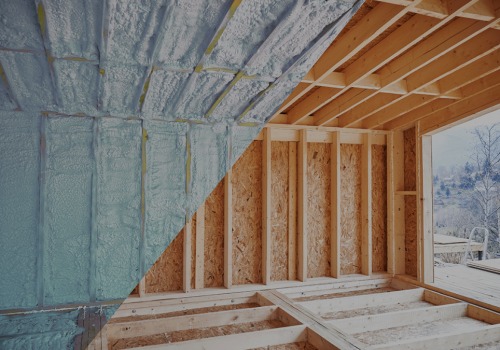
Spray foam insulation
is one of the most popular choices due to its versatility and effectiveness. It expands upon application, filling gaps and creating an airtight seal that can significantly reduce air leakage. This type of insulation is ideal for attics, crawl spaces, and hard-to-reach areas.On the other hand, blown-in insulation, which consists of loose fibers, is often used for filling walls and attic spaces. It can be made from various materials, including cellulose and fiberglass, making it a flexible option for different applications. Both of these types of insulation offer unique advantages; however, choosing the right one depends on your specific home configuration and insulation goals. Assessing your home's current insulation levels is crucial in determining how much insulation you need. Start by checking areas such as the attic, basement, and walls for existing insulation materials.
Factors like home size, local climate conditions, and the type of construction materials used will influence how much insulation is necessary for optimal energy efficiency. For example, larger homes in colder climates typically require more insulation than smaller homes in milder areas. Additionally, if your home has older insulation materials that have settled or degraded over time, it may be time to consider an upgrade. In addition to adding or upgrading insulation, there are other energy efficiency improvements homeowners can make to enhance their home's performance. Sealing air leaks around windows, doors, and plumbing fixtures helps prevent conditioned air from escaping and reduces strain on heating and cooling systems.
Another crucial aspect is improving ventilation to ensure proper airflow throughout your home. This can be particularly important in areas like attics where moisture buildup can lead to mold growth. For homeowners looking to take action on their insulation needs, connecting with local contractors or professionals through Indianapolis Insulation & Energy can simplify the process. They provide access to certified insulation contractors who can conduct thorough assessments and offer tailored solutions based on your home's unique requirements. Whether you need guidance on the best insulation type or help with installation services, these professionals are equipped to assist you. It’s also important to address common misconceptions regarding insulation needs.
Some people believe that more insulation is always better; however, this isn’t necessarily true. Over-insulating can lead to issues such as inadequate ventilation or moisture problems, which can compromise the integrity of your home. Understanding your specific climate zone and adhering to recommended R-values will ensure that you achieve optimal energy efficiency without overdoing it. In conclusion, determining how much insulation you need involves evaluating various factors such as existing materials, home size, and climate conditions. By exploring different types of insulation and considering supplementary energy efficiency improvements, homeowners can create a comfortable living environment while reducing energy costs.
Utilizing resources like Indianapolis Insulation & Energy helps connect you with qualified professionals who can guide you through the assessment and installation process, ensuring your home remains efficient and cozy year-round.
Finding Local Contractors in Indianapolis
When it comes to improving your home's insulation, connecting with certified professionals is essential.Indianapolis Insulation & Energy
serves as a pivotal resource, helping homeowners find qualified insulation contractors in the Indianapolis area. With their extensive network of experts, you can rest assured that you're getting reliable services tailored to your specific needs. To begin your journey, visit the Indianapolis Insulation & Energy website, where you can explore various options for insulation services. They provide detailed information about different types of insulation, such as spray foam and blown-in insulation, as well as the benefits each type offers.Additionally, their platform allows you to request consultations and connect directly with certified insulation professionals. Once you’ve gathered the necessary information, you can easily reach out to the contractors listed on the site. It's important to ask about their qualifications, experience, and any warranties they offer on their services. This ensures that you select a contractor who not only understands your insulation needs but also adheres to high standards of quality and customer service. By utilizing Indianapolis Insulation & Energy, you take a significant step toward enhancing your home’s energy efficiency and comfort. Proper insulation is an investment that pays off in reduced energy costs and improved living conditions, especially during extreme weather.
Energy Efficiency Improvements Beyond Insulation
While insulation is a critical component of energy efficiency in homes, there are several additional upgrades that homeowners can consider to enhance their energy performance.At Indianapolis Insulation & Energy, we understand that a holistic approach to energy efficiency not only improves comfort but also reduces energy costs. One significant upgrade is the installation of energy-efficient windows. Traditional windows can be a major source of heat loss in the winter and heat gain in the summer. By replacing them with double or triple-pane windows that include low-emissivity coatings, homeowners can significantly reduce their energy consumption while enjoying a more comfortable indoor environment. Another important upgrade involves air sealing. Even with proper insulation, gaps and cracks around windows, doors, and other penetrations can allow conditioned air to escape and unconditioned air to enter.
Sealing these leaks with caulking or weather stripping can complement insulation efforts and further enhance overall energy efficiency. Additionally, investing in a high-efficiency HVAC system can lead to substantial energy savings. Modern heating and cooling systems are designed to use less energy while providing optimal comfort. Pairing these systems with smart thermostats can further improve efficiency by allowing homeowners to control their energy usage more effectively. Finally, consider integrating renewable energy sources, such as solar panels, into your home. While this may require a larger upfront investment, the long-term savings on energy bills and the environmental benefits make it a worthwhile consideration for many homeowners.
Working with experts from Indianapolis Insulation & Energy, you can explore these options and find the best solutions tailored to your home’s specific needs.
Assessing Your Home's Insulation Needs
To determine how much insulation you need, it’s essential to first assess your current insulation levels.Indianapolis Insulation & Energy
offers valuable resources that can help you understand the effectiveness of your insulation and identify areas for improvement. Start by checking the type and thickness of insulation in your attic, walls, and floors. Different materials provide varying levels of thermal resistance, known as R-value, which indicates how well they resist heat flow. Next, examine the condition of the insulation.Look for signs of moisture, mold, or pest damage that could compromise its effectiveness. If your insulation appears compressed or damaged, it may not perform as intended, leading to energy loss and discomfort in your home. Additionally, consider your home’s energy bills. An unexpected increase in heating or cooling costs may signal that your insulation is insufficient. To get a clearer picture, you can also perform a thermal imaging inspection or hire a professional energy auditor from Indianapolis Insulation & Energy.
They can provide a comprehensive evaluation of your insulation needs and recommend the best solutions tailored to your home. Lastly, take into account your local climate. In areas with extreme weather conditions, such as hot summers and cold winters, having adequate insulation is crucial for maintaining comfort and energy efficiency. Based on these assessments, you can make informed decisions about whether to add more insulation or replace existing materials to enhance your home's energy performance.
Understanding Different Types of Insulation
When it comes to determining how much insulation you need, understanding the various types of insulation materials available is crucial. Each material has its own unique properties, R-values, and suitability for different areas of your home.Indianapolis Insulation & Energy serves as a valuable resource for homeowners looking to improve their insulation knowledge and make informed decisions.
Fiberglass Insulation
is one of the most common types used in residential buildings. It typically has an R-value ranging from 2.9 to 4.3 per inch, making it effective for attics, walls, and floors. Fiberglass batts are easy to install and can be cut to fit various spaces, but they should be handled carefully to avoid skin irritation.Spray Foam Insulation
offers superior performance with an R-value ranging from 6 to 7 per inch. This type of insulation expands on application, filling gaps and creating an airtight seal that prevents drafts.It's ideal for hard-to-reach areas and can also enhance the structural integrity of your home.
Indianapolis Insulation & Energy
can provide guidance on whether spray foam is suitable for your specific insulation needs.Blown-In Insulation
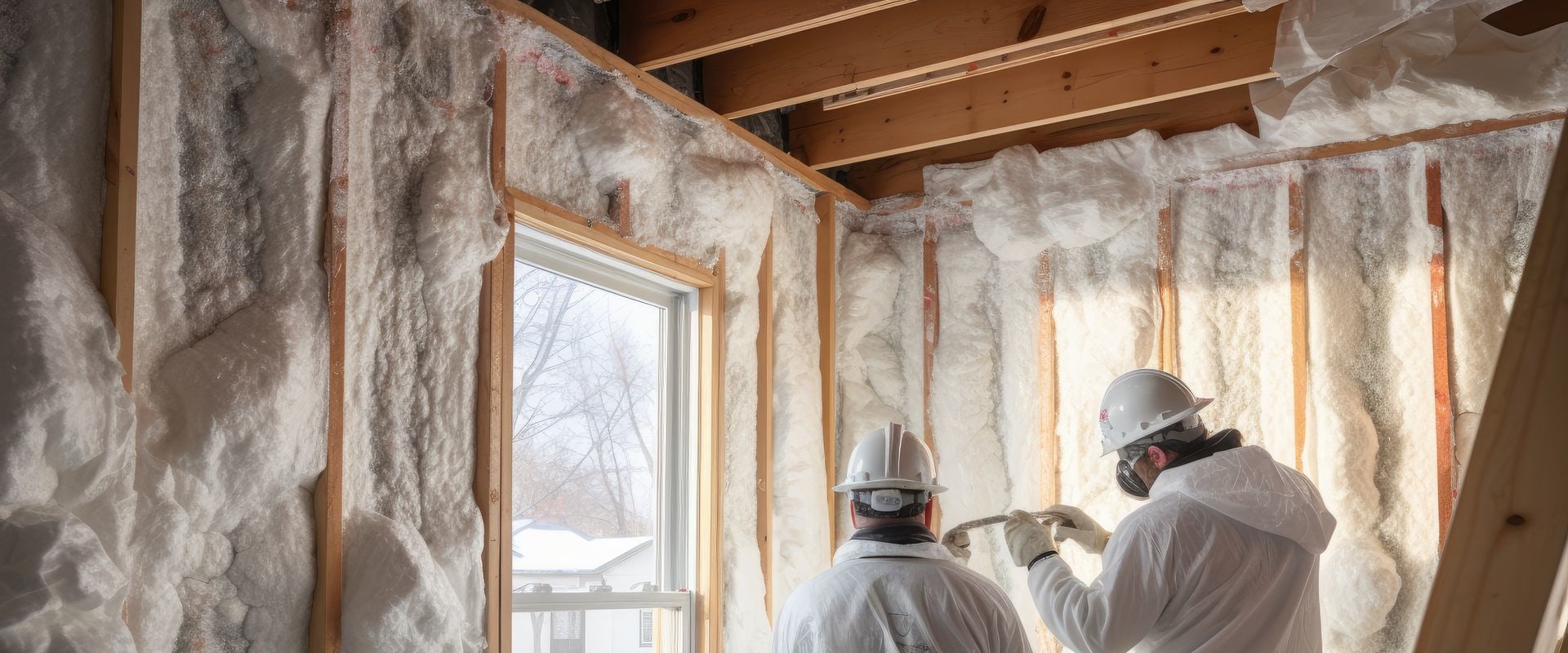
, made from either cellulose or fiberglass, is another effective option with an R-value of about 3.1 to 3.7 per inch. This type is particularly useful for attics since it can easily fill irregularly shaped spaces and improve thermal performance. It’s a great choice for retrofitting existing homes as it can be added without major renovations.Mineral Wool Insulation
, or rock wool, has a similar R-value to fiberglass but offers additional benefits such as fire resistance and soundproofing capabilities.It's suitable for walls, ceilings, and floors, making it a versatile option for various applications. By understanding the different types of insulation materials and their respective R-values, homeowners can better assess their insulation needs based on their home's design and climate considerations. Proper insulation not only contributes to energy efficiency but also enhances comfort during extreme weather conditions.
Assessing Your Home's Insulation Needs
To determine how much insulation you need, start by assessing your home's current insulation levels. Begin by checking areas like your attic, basement, and walls, as these are critical spots where heat loss can occur.Indianapolis Insulation & Energy
recommends looking for signs of inadequate insulation, such as drafts, fluctuating temperatures between rooms, or higher than normal energy bills during heating or cooling seasons. Next, evaluate the type of insulation you currently have.Different materials have varying R-values, which measure thermal resistance. For example, fiberglass batts, spray foam, and blown-in cellulose all provide different levels of insulation effectiveness. If your home is older, it may have outdated insulation that does not meet today's energy efficiency standards. One effective method for assessing insulation needs is the 'hand test.' On a cold day, place your hand against exterior walls and ceilings. If they feel cold to the touch, this could indicate insufficient insulation.
Additionally, conduct a visual inspection in your attic; if you can see the ceiling joists or rafters easily, you likely need more insulation. Consider having a professional energy audit conducted by certified specialists from Indianapolis Insulation & Energy. These experts can use thermal imaging tools to identify heat loss areas and recommend improvements tailored to your home’s unique needs. Lastly, keep in mind local building codes and recommendations regarding insulation levels for your specific region. This knowledge can help you make informed decisions about upgrading your home’s insulation to enhance energy efficiency and comfort.
Assessing Your Home's Insulation Needs
To determine how much insulation you need, start by evaluating your current insulation levels. Begin by checking the areas in your home that are commonly insulated, such as attics, walls, and crawl spaces.The R-value, which measures insulation's resistance to heat flow, is a key factor to consider. The higher the R-value, the better the insulation's effectiveness. In Central Indiana, the recommended R-value for attic insulation is typically between R-38 and R-60, depending on your specific home and climate conditions. Next, visually inspect your insulation material. Look for signs of wear and tear, such as sagging or compression, which can significantly reduce its insulating properties.
If you notice gaps or missing insulation in critical areas, this may indicate that you need to add more. Another important step is to assess your home's energy efficiency. Keep an eye on your energy bills; if you notice unusually high costs during extreme weather months, it could be a sign that your insulation needs an upgrade.
Indianapolis Insulation & Energy
can assist you with energy audits to identify where insulation improvements can lead to better energy performance. Finally, consider the age of your home.Homes built several decades ago may not have sufficient insulation by today's standards. If you suspect your home falls into this category or if you simply want peace of mind about your insulation levels, contacting a professional service like Indianapolis Insulation & Energy can provide you with a comprehensive evaluation and recommendations tailored to your specific needs. In conclusion, proper insulation is crucial for enhancing your home's energy efficiency and overall comfort. As discussed, understanding the different types of insulation and accurately assessing your home's insulation needs are essential steps toward achieving optimal energy savings. Additionally, considering energy efficiency improvements beyond insulation can further contribute to a more comfortable living environment. We encourage you to take action by evaluating your own home’s insulation and reaching out to local experts at Indianapolis Insulation & Energy.
Their knowledgeable team can provide valuable insights and connect you with certified contractors who will ensure your home is adequately insulated, leading to reduced energy costs and a more enjoyable indoor climate.