When it comes to ensuring the safety and comfort of your home, understanding radon test results is a critical step. At When it comes to ensuring the safety and comfort of your home, understanding radon test results is a critical step. At Indianapolis Insulation & Energy, we recognize that many homeowners may feel overwhelmed by the technicalities involved in interpreting these results. Radon, a colorless and odorless gas, can pose serious health risks, making it essential for homeowners to comprehend what their radon test results mean and how they can take action if necessary. In this guide, we will demystify the process of interpreting radon test results, providing you with the knowledge you need to make informed decisions about your home’s safety. Radon testing is not just a precaution; it is an essential part of maintaining a healthy living environment.
With the right information, homeowners can understand the levels of radon present in their homes and what those levels signify for their family's health. This article will explore the significance of radon test results, common misconceptions, and steps to take based on your findings. Join us as we delve deeper into this important topic and empower yourself with the knowledge to protect your home and loved ones. Understanding radon test results is crucial for homeowners, especially in regions like Indianapolis and Central Indiana, where radon levels can often be a concern. The first step in this journey is recognizing that radon is a naturally occurring radioactive gas that can seep into homes from the ground below.
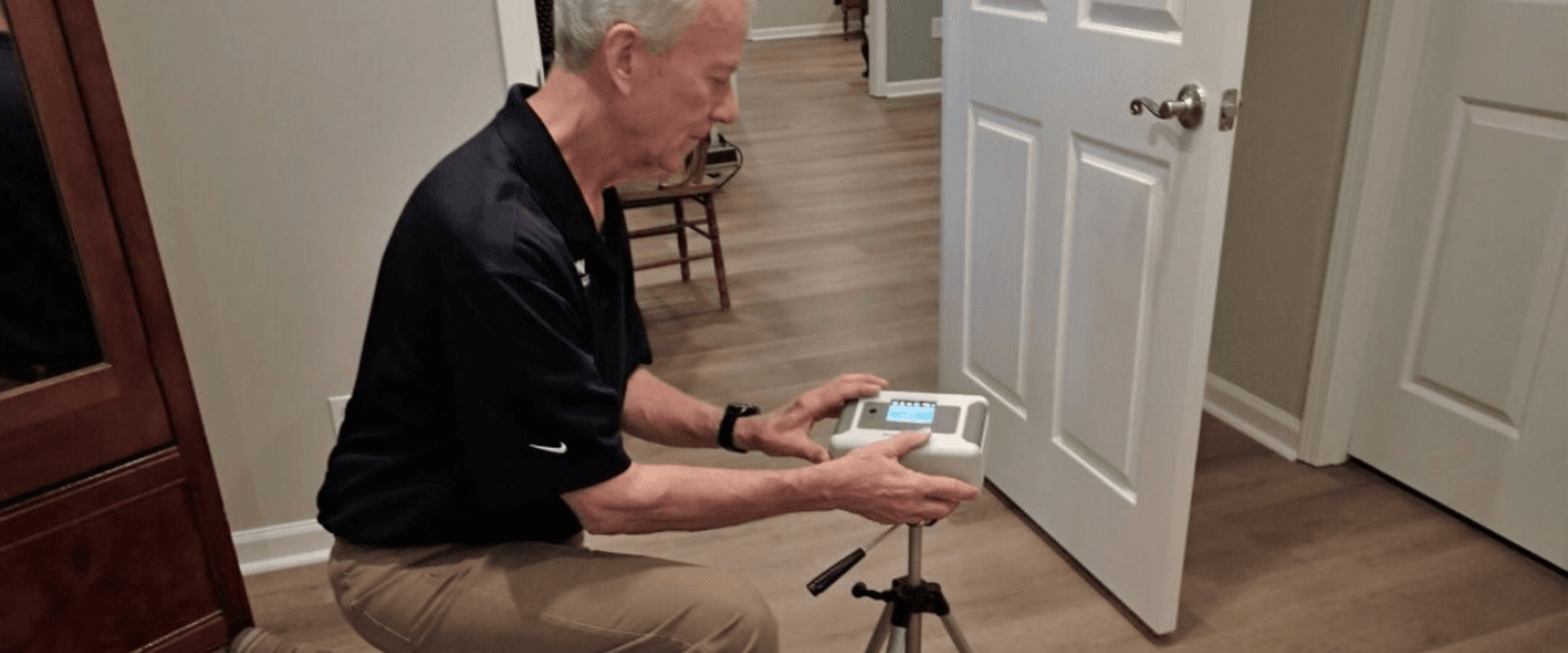
It originates from the breakdown of uranium in soil and rock and can accumulate in enclosed spaces, posing significant health risks to occupants. This is why residents should be proactive about testing their homes for radon levels. One valuable resource for homeowners is Indianapolis Insulation & Energy, which offers guidance on radon testing and helps improve home insulation and energy efficiency. Accurate testing of radon levels in your home is paramount. There are two main types of radon tests: short-term and long-term.
Short-term tests typically last from 2 to 90 days and provide a quick snapshot of radon levels, making them useful for immediate assessments. Long-term tests run for more than 90 days and give a more comprehensive view of average radon exposure over time. Understanding how to read these results is essential; a radon level of 4 picocuries per liter (pCi/L) or higher is generally considered unsafe and warrants action. The health implications of elevated radon exposure are significant. Long-term exposure to high levels of radon can lead to lung cancer, making it the second leading cause of lung cancer after smoking.
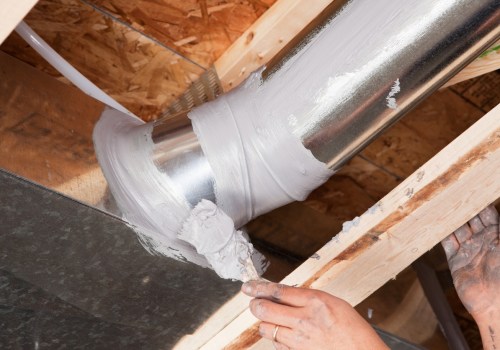
Therefore, if test results indicate high radon levels, mitigation strategies must be implemented promptly to reduce these risks. Common methods include increasing ventilation, sealing cracks and openings, and using specialized radon mitigation systems. In addition to addressing Therefore, if test results indicate high radon levels, mitigation strategies must be implemented promptly to reduce these risks. Common methods include increasing ventilation, sealing cracks and openings, and using specialized radon mitigation systems. In addition to addressing radon levels, homeowners should consider insulation options that not only improve energy efficiency but also contribute to reducing radon infiltration. Proper insulation can create an effective barrier against the entry of radon gas while enhancing overall energy efficiency within the home.
Indianapolis Insulation & Energy
specializes in providing solutions that help mitigate both radon exposure and energy loss. Homeowners looking to improve their energy efficiency can take several practical steps.Sealing leaks around windows, doors, and other openings can significantly reduce drafts, lowering energy costs while also minimizing the pathways through which radon can enter. Additionally, improving ventilation in areas such as basements can help mitigate radon levels while also enhancing indoor air quality. For those unsure where to begin, connecting with local contractors who specialize in insulation and energy audits is an excellent way to get started. These professionals can provide valuable assessments that identify specific areas for improvement in both insulation and radon mitigation efforts. Engaging with certified specialists ensures that homeowners receive tailored solutions based on their unique needs. By understanding radon test results, recognizing the importance of accurate testing, and taking proactive steps towards mitigation, homeowners can safeguard their health while also improving their home's energy efficiency.
Leveraging resources like Indianapolis Insulation & Energy allows residents to make informed decisions that benefit both their well-being and their property.
What is Radon and Why Test for It?
Radon is a naturally occurring radioactive gas that is produced from the decay of uranium in soil, rock, and water. It is invisible, tasteless, and odorless, making it particularly insidious as it can accumulate in homes without occupants being aware of its presence. In Central Indiana, including Indianapolis, the geological conditions can lead to elevated radon levels in residential properties. This makes understanding and testing for radon essential for homeowners who prioritize their health and safety. Testing for radon is crucial because prolonged exposure to high levels of this gas can significantly increase the risk of lung cancer.According to health experts, radon is the second leading cause of lung cancer after smoking. Thus, residents in Indianapolis and surrounding areas should be proactive about assessing their homes for radon levels.
Indianapolis Insulation & Energy
serves as a key resource for homeowners seeking information on radon testing and mitigation strategies, ensuring that they can effectively manage their home's air quality. Radon enters homes primarily through cracks in floors and walls, construction joints, and gaps in foundations. It can also be found in well water and can seep into homes through plumbing systems.Because radon levels can fluctuate over time and vary from one home to another, regular testing is recommended to ensure safety. Homeowners are encouraged to take advantage of testing kits or professional services provided by organizations like Indianapolis Insulation & Energy, which not only offer radon testing but also provide solutions for improving home insulation and energy efficiency.
Connecting with Local Professionals
When it comes to interpreting radon test results and addressing any concerns that arise, connecting with local professionals is crucial for homeowners. In Indianapolis and Central Indiana, residents can rely on Indianapolis Insulation & Energy as a trusted resource for finding certified contractors who specialize in insulation assessments and energy efficiency improvements. These experts not only help in mitigating radon levels but also enhance the overall energy performance of homes. Homeowners should look for professionals who are certified in radon mitigation and energy efficiency.This ensures that they have the necessary training and expertise to properly assess the home’s insulation needs and recommend suitable solutions.
Indianapolis Insulation & Energy
provides valuable resources and connections to these certified contractors, making it easier for homeowners to take proactive steps in improving their living environment. Additionally, local directories and online platforms can help homeowners search for qualified insulation contractors. It's essential to verify the credentials of any contractor you consider hiring, ensuring they are licensed and insured. By working with reputable professionals, homeowners can effectively interpret their radon test results and implement necessary measures to create a safer, healthier home.Interpreting Your Radon Test Results
Understanding how to interpret your radon test results is crucial for ensuring the safety and health of your home environment.After conducting a radon test, you will receive a report indicating the levels of radon present in your home, typically measured in picocuries per liter (pCi/L). The U.S. Environmental Protection Agency (EPA) has established guidelines that classify radon levels as follows: levels below 2.0 pCi/L are considered safe, while levels between 2.0 and 4.0 pCi/L indicate that you should consider taking action. If your results show radon levels of 4.0 pCi/L or higher, it is strongly recommended that you take immediate steps to mitigate the radon concentration in your home. In the context of Indiana, where radon levels can vary significantly, residents must be vigilant about testing their homes regularly.
Indianapolis Insulation & Energy can provide valuable resources and expertise in understanding these results and implementing effective mitigation strategies. Testing can reveal not only the current radon levels but also highlight potential areas for improvement in home insulation and energy efficiency. If your test results suggest elevated radon levels, don’t panic; there are effective mitigation techniques available, including ventilation systems and air purification methods. Addressing high radon levels not only safeguards your health but also enhances your home's overall energy efficiency. By working with professionals like those at Indianapolis Insulation & Energy, you can ensure that your home is both safe and energy-efficient.
Mitigating Radon Risks Through Insulation
Proper insulation plays a crucial role in mitigating radon risks in homes, particularly in areas like Indianapolis and Central Indiana, where radon levels can be a concern.By ensuring that your home is well-insulated, you not only improve energy efficiency but also create a barrier that can help reduce the entry of radon gas from the ground into your living spaces.
Indianapolis Insulation & Energy
is your go-to resource for understanding how insulation can effectively lower radon levels while enhancing your home’s overall energy performance. When homes are properly insulated, they are less susceptible to the infiltration of radon gas. Insulation materials can help seal off gaps and cracks in your home’s structure, which are common entry points for radon. Additionally, effective insulation can maintain a consistent indoor temperature, reducing the need for excessive heating or cooling, which often leads to air exchanges that can draw radon indoors.By investing in high-quality insulation solutions offered by Indianapolis Insulation & Energy, homeowners not only tackle the issue of radon but also benefit from lower energy bills and improved comfort. Moreover, it’s important to note that while insulation is a key component in reducing radon levels, it should be part of a comprehensive strategy that includes regular testing and potential mitigation systems. Engaging with professionals who understand both radon risks and insulation techniques ensures that homeowners can effectively safeguard their health and enhance their living environment.
Types of Radon Tests
When it comes to interpreting radon test results, understanding the different types of radon tests available is crucial for homeowners.Indianapolis Insulation & Energy
serves as a vital resource for those looking to learn more about these testing methods and how they can impact home safety and energy efficiency. There are primarily two types of radon testing methods: short-term tests and long-term tests. Each method has its own advantages and disadvantages, making them suitable for different circumstances.Short-term tests
are typically conducted over a period of 2 to 90 days, with most lasting about 48 hours.These tests can be very effective for quickly assessing radon levels in your home. One of the main advantages of short-term testing is that it provides immediate results, which can be beneficial if you're considering buying or selling a property. However, these tests may not capture seasonal variations in radon levels, which means they might not provide a full picture of the radon situation in your home. On the other hand, long-term tests are designed to measure radon levels for a duration exceeding 90 days, often up to one year. These tests give a more comprehensive view of your home's radon levels over time, accounting for seasonal changes.
The downside is that long-term testing takes more time, so if you need quick results, they may not be the best option. Nevertheless, for homeowners who want to ensure that they have a complete understanding of their radon exposure, long-term tests are generally recommended. In conclusion, both short-term and long-term tests have their place in radon testing strategies. Homeowners in Indianapolis and Central Indiana should consider their specific needs when deciding which method to use. For guidance on choosing the right test or implementing effective radon mitigation strategies, Indianapolis Insulation & Energy can provide valuable support and resources. In conclusion, understanding radon test results is crucial for homeowners in Indianapolis and Central Indiana, as it directly impacts health and safety.
High levels of radon can lead to serious health risks, making it essential for residents to be proactive in testing their homes. By interpreting radon test results, homeowners can identify the presence of radon and take necessary actions to mitigate its effects.