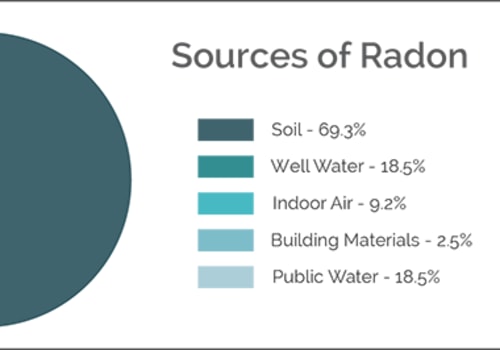
Welcome to our in-depth exploration of radon, a colorless, odorless gas that can pose significant health risks in our homes. At Indianapolis Insulation & Energy, we believe that understanding the dangers associated with radon is crucial for every homeowner. Radon is not just a distant environmental concern; it can infiltrate your living space, often without your knowledge, leading to serious health implications over time. In this article, we will delve into the nature of radon, its sources, and why it is considered hazardous. We will also discuss practical solutions for mitigating radon levels in your home, ensuring that you and your loved ones can breathe easy.
By empowering homeowners with knowledge and effective strategies, Indianapolis Insulation & Energy aims to create safer living environments throughout Central Indiana. Let’s uncover the facts about radon and take proactive steps toward safeguarding our homes.
Radon
is a colorless, odorless gas that occurs naturally from the decay of uranium found in soil, rock, and water. It can seep into homes through cracks in floors, walls, and foundations, posing serious health risks to residents. For homeowners in Indianapolis, addressing radon concerns is crucial not only for health and safety but also for energy efficiency solutions.That’s where Indianapolis Insulation & Energy comes in as a key resource for understanding radon mitigationradon mitigation and insulation options. The health risks associated with radon exposure cannot be overstated. According to the U.S. Environmental Protection Agency (EPA), radon is the second leading cause of lung cancer in the United States, responsible for approximately 21,000 lung cancer deaths each year. Long-term exposure to elevated levels of radon can significantly increase the risk of developing this deadly disease, especially for smokers or those with a history of respiratory issues.
Understanding these risks is vital for homeowners who want to protect their families and maintain a healthy living environment. Testing for radon levels in homes is essential to assess potential risks. Homeowners can conduct simple tests using DIY kits available at local hardware stores or hire professionals for comprehensive assessments. The EPA recommends that all homes be tested for radon, particularly in regions like Central Indiana where geological conditions may contribute to higher radon concentrations. Regular testing should be part of a homeowner’s maintenance routine, as radon levels can fluctuate over time. Once radon levels are confirmed to be above the recommended action level of 4 pCi/L, immediate steps should be taken to mitigate the risk.
One effective strategy is to improve insulation and seal any cracks that may allow radon entry. This can involve sealing gaps in floors and walls or utilizing advanced insulation techniques that minimize air leakage. Proper ventilation systems can also help reduce indoor radon levels by expelling contaminated air and drawing in fresh air from outside. In addition to radon mitigation, improving home energy efficiency can go hand-in-hand with these efforts. Upgrades such as installing energy-efficient windows, enhancing attic insulation, and utilizing air sealing techniques can create a tighter building envelope, which not only helps in reducing radon entry but also lowers energy costs.
Homeowners should consider implementing these improvements as part of a comprehensive strategy to enhance their living environment. If you are concerned about radon exposure or looking to improve your home's energy efficiency, it’s advisable to connect with local contractors who specialize in both radon testing and insulation services.
Indianapolis Insulation & Energy
serves as an excellent resource, connecting homeowners with certified insulation contractors and energy auditors who understand the nuances of radon mitigation in the Central Indiana area. By taking proactive steps and working with qualified professionals, you can ensure a safer and more energy-efficient home.The Health Risks of Radon Exposure
Radon is a colorless, odorless gas that is a byproduct of the natural decay of uranium found in soil, rock, and water. While it may be undetectable without proper testing, its presence in homes poses significant health risks.Prolonged exposure to elevated levels of radon has been linked to serious health issues, most notably lung cancer. In fact, radon exposure is the second leading cause of lung cancer in the United States, following smoking. The risk of developing lung cancer from radon exposure increases with the level of radon in the home and the duration of exposure. When radon gas is inhaled, radioactive particles can accumulate in the lungs, leading to cellular damage over time. This damage can trigger mutations in lung cells, which may eventually result in cancer. . In fact, radon exposure is the second leading cause of lung cancer in the United States, following smoking. The risk of developing lung cancer from radon exposure increases with the level of radon in the home and the duration of exposure. When radon gas is inhaled, radioactive particles can accumulate in the lungs, leading to cellular damage over time. This damage can trigger mutations in lung cells, which may eventually result in cancer.
Homeowners in Indianapolis should be particularly vigilant about radon levels, especially if they are considering energy efficiency solutions that may inadvertently trap radon indoors. Addressing radon concerns is crucial for ensuring a safe living environment. This is where Indianapolis Insulation & Energy comes into play, as they provide essential information on radon mitigation strategies and help homeowners understand their options for reducing radon levels effectively. By investing in proper radon mitigation measures, homeowners can significantly lower their risk of exposure and protect their health.
Connecting with Local Professionals
Finding certified contractors in Indianapolis for radon testing and insulation services is essential for ensuring the safety and energy efficiency of your home. A trusted resource for these services is Indianapolis Insulation & Energy, which connects property owners with experienced professionals who are well-versed in radon mitigation and insulation solutions. To locate certified contractors, start by checking local listings and online directories that specialize in home energy services.Websites like Angie’s List or HomeAdvisor can provide reviews and ratings of contractors in your area. Additionally, ensure that any contractor you consider is certified by relevant organizations, such as the National Radon Proficiency Program (NRPP) or the American Association of Radon Scientists and Technologists (AARST).Another effective way to find qualified professionals is to reach out to Indianapolis Insulation & Energy directly. Their knowledgeable staff can guide you to reputable contractors who specialize in both radon testing and insulation installation. They can also provide insights into the specific needs of your home based on its construction and location within Indianapolis. Finally, don’t hesitate to ask for quotes and to compare prices among different contractors.
This will help you make an informed decision while ensuring that the work performed meets the necessary safety standards. By connecting with local professionals through these avenues, you can take meaningful steps towards mitigating radon risks and enhancing your home’s energy efficiency.
Testing for Radon: Why It Matters
Testing for radon is a crucial step in ensuring the safety and health of your home.Indianapolis Insulation & Energy
emphasizes the importance of regular radon testing, especially in areas like Indianapolis where radon levels can be elevated due to the underlying geology. Radon is a colorless, odorless gas that can accumulate indoors, posing serious health risks if not addressed. Homeowners can choose between two primary methods for testing radon: short-term and long-term tests.Short-term tests typically last from two to seven days and are ideal for quick assessments. These tests can be conducted using do-it-yourself kits available at hardware stores or through professional services. Long-term tests, on the other hand, remain in place for more than 90 days and provide a more accurate picture of the average radon levels in your home over time. It is recommended that homeowners conduct radon tests at least every two years, or more frequently if they are making changes to their home, such as renovations or additions. Additionally, it is advisable to test after any significant weather events that could affect the home's structure, such as flooding or heavy storms.
By staying proactive about radon testing, homeowners can protect their families from the dangers associated with this hazardous gas. If elevated levels of radon are detected, seeking professional assistance from experts like Indianapolis Insulation & Energy can provide valuable solutions for radon mitigation and ensure a safer living environment.
Insulation Options to Mitigate Radon
To effectively combat radon infiltration in homes, insulation plays a crucial role. By implementing proper insulation strategies, homeowners can create barriers that significantly reduce the entry of radon gas from the soil into living spaces.Indianapolis Insulation & Energy
offers valuable insights into the insulation options that can help mitigate radon levels in your home. One effective method is to utilize specially designed insulation materials that have lower permeability rates. For instance, using closed-cell spray foam insulation can be beneficial as it not only provides thermal resistance but also acts as a sealant against air and gas infiltration.When applied to areas like crawl spaces and basements, this type of insulation can effectively block radon from seeping into the home. Additionally, ensuring that insulation is properly installed is critical. Gaps and voids in insulation can create pathways for radon gas to enter. Therefore, working with professionals from Indianapolis Insulation & Energy ensures that all insulation materials are correctly fitted and any potential entry points are sealed. Another important aspect is to couple insulation with other mitigation strategies. For example, installing a ventilation system that works alongside insulation can help maintain indoor air quality while reducing radon levels.
This holistic approach not only enhances energy efficiency but also safeguards your family's health. In summary, selecting the right insulation materials and ensuring their proper installation are key steps in mitigating radon exposure in homes. Homeowners in Indianapolis should consider consulting with Indianapolis Insulation & Energy for tailored solutions that address both energy efficiency and radon concerns.
Energy Efficiency Improvements Related to Radon Mitigation
Energy efficiency upgrades can significantly enhance the effectiveness of radon mitigation efforts, creating a healthier living environment while also reducing energy costs. As homeowners in Indianapolis seek to improve their homes, it is essential to understand how these two objectives can work together seamlessly.Indianapolis Insulation & Energy
serves as a vital resource in this pursuit, offering expertise in both areas. Firstly, improving the insulation of your home helps create a tighter building envelope.This means less air leakage, which not only improves energy efficiency but also minimizes the pathways through which radon can enter. Properly sealed cracks and gaps in floors, walls, and foundations can reduce radon infiltration significantly. Techniques such as spray foam insulation or blown-in insulation, provided by Indianapolis Insulation & Energy, can be particularly effective in enhancing both energy efficiency and radon mitigation. Moreover, upgrading your home’s ventilation system can also play a crucial role in controlling radon levels. A well-designed ventilation system not only improves indoor air quality but also helps to dilute any radon that may seep into the home.
When combined with insulation improvements, homeowners can achieve a comprehensive solution that addresses both energy consumption and safety concerns. In summary, when considering radon mitigation, it is wise to integrate energy efficiency upgrades. This dual approach not only protects your health but also enhances the overall performance of your home. For those in Indianapolis looking to embark on this journey, Indianapolis Insulation & Energy offers the necessary resources and expertise to ensure a successful outcome. In conclusion, understanding radon gas and its associated risks is crucial for every homeowner, particularly those in Indianapolis. As we discussed, radon is a colorless and odorless gas that can infiltrate our homes through cracks and gaps, posing serious health hazards over time.
The importance of testing for radon cannot be overstated, as it is the first step in ensuring the safety of your living environment. Moreover, implementing insulation options not only helps mitigate radon levels but also enhances overall energy efficiency. By making informed decisions about home improvements, homeowners can protect their health while also reducing energy costs. To navigate these challenges effectively, we encourage readers to reach out to Indianapolis Insulation & Energy, your go-to resource for expert advice and connections to certified professionals who specialize in radon mitigation and insulation solutions. Taking proactive steps today will safeguard your home and family from the dangers of radon exposure.