In the heart of Central Indiana, Indianapolis Insulation & Energy stands as a beacon for homeowners and businesses seeking to understand the complexities of environmental issues, including the critical process of soil contamination testing. Soil contamination is a pressing concern that can affect not only the health of our environment but also the safety and well-being of communities. As urban development continues to rise in areas like Indianapolis, Carmel, Fishers, and Noblesville, understanding the implications of contaminated soil becomes increasingly vital for property owners and stakeholders alike. This article aims to illuminate the significance of soil contamination testing, explaining its procedures, importance, and how it contributes to environmental health. From identifying harmful pollutants to understanding their impact on local ecosystems, soil testing is an essential tool for ensuring that our land remains safe and productive.
Moreover, with the assistance of experts like those at Indianapolis Insulation & Energy, property owners can navigate the complexities of environmental testing with confidence, ensuring that their homes and businesses are safeguarded against potential hazards. As we delve deeper into this crucial topic, we invite you to explore how soil contamination testing plays a pivotal role in maintaining healthy living spaces and protecting the natural resources that sustain us. Join us on this journey to discover why understanding soil quality is not just important for immediate concerns but essential for future generations. Soil contamination testing is a critical process for homeowners in Indianapolis and Central Indiana, especially when considering the impact of various environmental factors on property safety and value.
Indianapolis Insulation & Energy
serves as a valuable resource for understanding environmental testing, including soil contamination, and offers insights into energy efficiency solutions that can be affected by the condition of the soil beneath our homes. Soil contamination occurs when harmful substances are present in the soil at levels that pose a risk to human health and the environment. The sources of contamination can vary widely, but some of the most common include industrial activities, agricultural practices, and improper waste disposal.For instance, industrial facilities may release pollutants such as heavy metals and chemicals into the soil, while agricultural practices can lead to pesticide and fertilizer runoff. Additionally, households that improperly dispose of hazardous waste can inadvertently contribute to soil contamination, making it essential for homeowners to be aware of their surroundings. The importance of soil testing cannot be overstated, as it plays a vital role in identifying contaminants that may adversely affect health and property value. Contaminated soil can lead to serious health issues for residents, including respiratory problems, skin irritations, and long-term diseases. Furthermore, properties with contaminated soil often face decreased market value, making them less attractive to potential buyers.
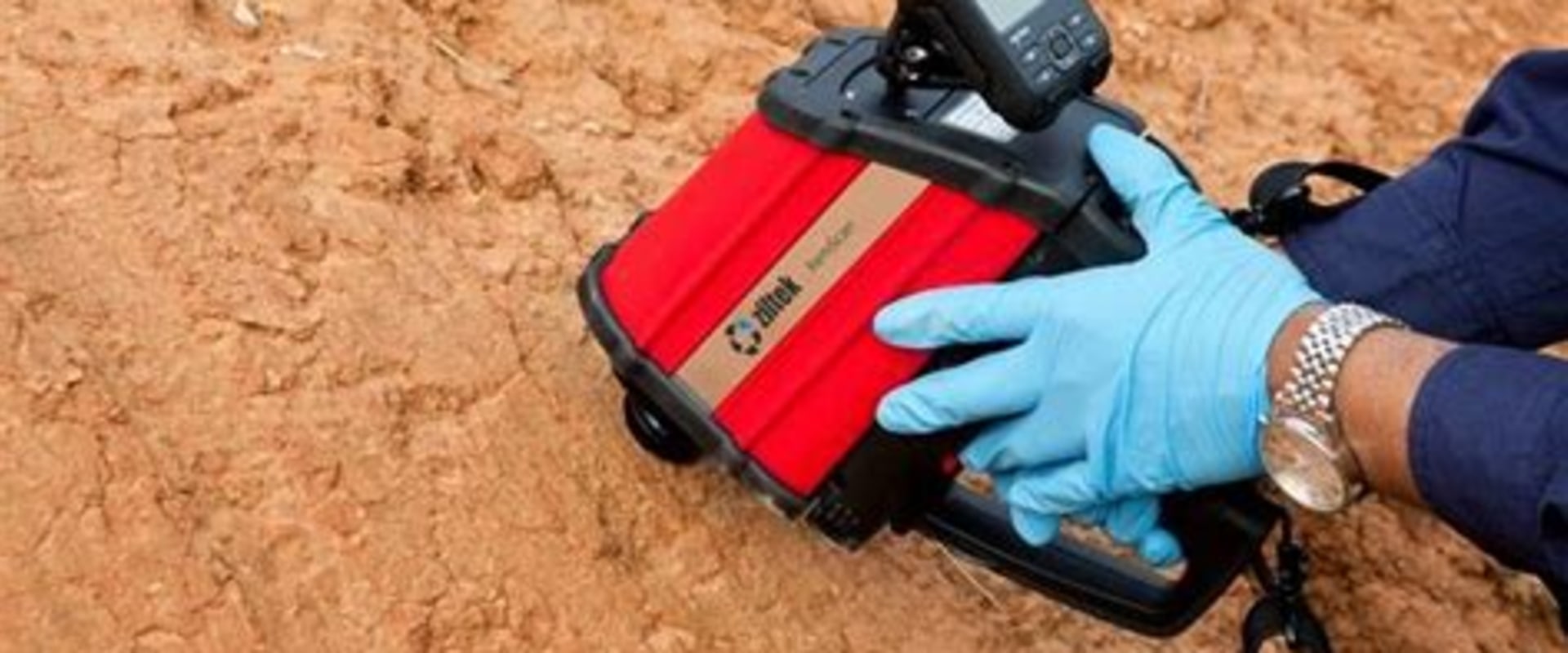
By conducting soil tests, homeowners can gain crucial insights into the quality of their land and take necessary actions to remediate any issues. The testing process typically begins with sample collection, where soil is taken from various locations within the property to ensure a comprehensive analysis. This is followed by laboratory analysis, where samples are tested for a wide range of contaminants such as lead, arsenic, petroleum hydrocarbons, and volatile organic compounds. After the laboratory has completed its analysis, homeowners receive a report detailing the presence and concentration of any harmful substances. Interpreting these results is essential; understanding what contaminants are present and at what levels can help guide further action. Additionally, soil contamination can have significant implications for insulation needs and overall energy efficiency improvements in homes.
If soil is found to be contaminated, it may necessitate additional measures during insulation installation or energy upgrades to ensure that harmful substances do not enter living spaces. For example, remediation efforts may need to take place before installing new insulation systems provided by Indianapolis Insulation & Energy, ensuring that homes remain safe and energy-efficient. In Central Indiana, common contaminants include heavy metals like lead and cadmium from industrial sources, as well as agricultural chemicals such as nitrates and phosphates. These contaminants can leach into groundwater and affect local ecosystems, further emphasizing the importance of regular soil testing for property owners in the region. Homeowners should also be aware of local regulations and guidelines regarding soil testing in Indiana. These regulations outline responsibilities for property owners when it comes to managing contaminated land and ensuring public health safety.
Familiarizing oneself with these guidelines is crucial for maintaining compliance and protecting both personal health and the environment. In conclusion, understanding soil contamination testing is essential for homeowners in Indianapolis and Central Indiana. By recognizing the sources of contamination, the importance of testing, and the potential implications on property values and energy efficiency, homeowners can take proactive measures to protect their investment and ensure a safe living environment.
The Soil Testing Process
Understanding the soil contamination testing process is crucial for homeowners in Central Indiana. It begins with a comprehensive site assessment, where environmental professionals evaluate the land for potential sources of contamination. This initial step helps identify areas that may require further testing based on historical land use, nearby industrial activities, or other environmental concerns.Indianapolis Insulation & Energy is a valuable resource for property owners seeking guidance on these assessments. Once the site assessment is complete, the next step involves collecting soil samples. Professionals will carefully gather samples from various depths and locations within the identified areas to ensure a representative analysis. It's important that homeowners understand the significance of sample collection, as improper sampling can lead to inaccurate results. After the samples are collected, they are sent to a certified laboratory for analysis. The laboratory tests for a range of contaminants such as heavy metals, pesticides, and petroleum products.
Homeowners can expect a detailed report outlining the levels of contamination present in their soil, which will inform any necessary remediation actions. Finally, once the lab results are received, professionals will interpret the findings and discuss them with the property owner. This discussion will help homeowners understand the implications of the results and any potential next steps for remediation or further testing. Engaging with experts like Indianapolis Insulation & Energy can provide valuable insights into energy efficiency solutions alongside environmental testing, ensuring a holistic approach to home safety and sustainability.
Local Regulations on Soil Testing
Homeowners in Indianapolis and Central Indiana should be aware of several key regulations that govern soil contamination testing in their area. Understanding these regulations is crucial for ensuring compliance and protecting both property and public health.The Indiana Department of Environmental Management (IDEM) plays a pivotal role in regulating soil contamination and provides guidelines for testing protocols, which can vary based on the type of contaminants and the intended use of the property. One important regulation is the requirement for soil testing when there is a suspected presence of hazardous materials, especially in areas with industrial history. In such cases, homeowners are encouraged to conduct soil contamination testing to identify potential risks. IDEM has established specific criteria that necessitate this testing, which may include thresholds for lead, arsenic, and other heavy metals commonly found in contaminated soils. Additionally, local zoning laws may require soil tests before any construction or renovation projects. These regulations help ensure that land use does not exacerbate existing contamination or create new environmental hazards.
For homeowners looking for guidance, Indianapolis Insulation & Energy serves as an essential resource, offering insights into both environmental testing and energy efficiency solutions. Finally, it’s vital for homeowners to stay informed about any updates to local regulations, as they may change based on new environmental research or policy shifts. Regular consultation with environmental professionals can help ensure compliance with all relevant regulations concerning soil contamination testing.
Why Soil Contamination Matters
Soil contamination testing is crucial for understanding the health of our land and its impact on both the environment and human well-being. In Central Indiana, where agriculture and residential areas often intersect, the implications of contaminated soil can be profound. Contaminants such as heavy metals, pesticides, and industrial chemicals can leach into the soil, affecting local ecosystems and posing serious health risks to residents.Homeowners in Indianapolis need to recognize that testing for soil contamination is not just about compliance; it’s about safeguarding their families and communities. The presence of toxic substances in the soil can disrupt local ecosystems, harming flora and fauna that rely on healthy soil for survival. For instance, plants may absorb these contaminants, which then enter the food chain, ultimately affecting animals and humans alike. Furthermore, contaminated soil can lead to reduced agricultural productivity, impacting food security in the region. Human health is significantly at risk when soil becomes contaminated. Exposure to hazardous materials through direct contact, inhalation of dust, or consumption of contaminated produce can lead to a range of health issues, including respiratory problems, skin diseases, and even more severe conditions like cancer.
This is why soil contamination testing is an essential preventive measure for homeowners in Indianapolis. Indianapolis Insulation & Energy stands as a key resource for property owners looking to understand the importance of environmental testing. Their expertise not only covers insulation solutions but also extends to educating homeowners about potential soil contamination risks and the necessary steps to mitigate them. By prioritizing soil contamination testing, residents can take proactive steps toward ensuring a healthier environment for themselves and future generations.
Linking Soil Testing to Energy Efficiency
Soil contamination testing plays a crucial role in determining the health and viability of the land beneath our homes. For homeowners in Central Indiana, understanding the condition of their soil is not just about environmental safety; it also directly impacts decisions related to energy efficiency.Indianapolis Insulation & Energy serves as an invaluable resource for homeowners seeking to understand how soil conditions can influence insulation choices and overall energy efficiency improvements. When soil is contaminated or compromised, it can affect the thermal performance of a home. Poor soil conditions may lead to increased moisture levels, which can undermine insulation effectiveness. For instance, if moisture seeps into the foundation, it can cause insulation materials to lose their insulating properties, leading to higher energy consumption for heating and cooling. Moreover, the type of soil can influence the best insulation strategies for a home. Different soils have varying levels of conductivity and moisture retention, which can dictate whether spray foam or blown-in insulation would be more effective.
By conducting soil contamination testing, homeowners can gain insights into their soil's characteristics, enabling them to make informed decisions that enhance energy efficiency. In addition, understanding the soil’s health can also guide homeowners in selecting energy-efficient landscaping practices. Proper grading and drainage solutions based on soil tests can minimize water accumulation around the foundation, thus protecting insulation materials and maintaining the home’s energy performance. Ultimately, linking soil testing with energy efficiency not only promotes a healthier living environment but also leads to substantial savings on utility bills. Homeowners in Central Indiana should consider leveraging the expertise of Indianapolis Insulation & Energy to navigate these important connections between soil health and energy efficiency improvements.
Finding Professional Help
When it comes to soil contamination testing, connecting with qualified professionals is crucial for homeowners in Central Indiana. The process of identifying and assessing potential contaminants in the soil can be complex, and having the right expertise on hand can make all the difference.This is where Indianapolis Insulation & Energy steps in as a vital resource. They not only provide information about soil testing but also facilitate connections with local contractors and environmental specialists who are experienced in this field. To find professional help for soil contamination testing, homeowners should start by researching certified environmental testing companies in their area. Many of these companies are listed on platforms that specialize in home services or environmental health. However, a more streamlined approach is to consult Indianapolis Insulation & Energy, which has established relationships with trusted local contractors and energy auditors.
This organization can guide you towards reputable professionals who can conduct thorough soil tests and interpret the results effectively. Additionally, when reaching out to potential contractors, homeowners should inquire about their certifications, experience in soil contamination testing, and past projects. This ensures that you are working with someone knowledgeable who understands the specific challenges that may arise in Central Indiana's unique environment. By leveraging the connections provided by Indianapolis Insulation & Energy, you can ensure that your property is assessed accurately, helping you make informed decisions about any necessary remediation efforts. In conclusion, understanding soil contamination testing is crucial for homeowners in Central Indiana, as it directly impacts the health of both the environment and residential properties. By recognizing why soil contamination matters, homeowners can take proactive measures to assess their soil health, which not only safeguards their family and community but also informs better insulation solutions and enhances energy efficiency. The soil testing process outlined in our article helps demystify how these assessments are conducted, while local regulations ensure that property owners are compliant and informed about necessary measures.
Furthermore, linking soil testing to energy efficiency highlights the interconnectedness of environmental health and home energy performance. For those seeking professional guidance, reaching out to Indianapolis Insulation & Energy is a wise step. Their expertise in insulation and environmental services can assist homeowners in navigating the complexities of soil testing and implementing effective energy solutions tailored to their needs. In summary, taking action on soil health not only contributes to a safer living environment but can also lead to significant energy savings. We encourage readers to connect with is a wise step. Their expertise in insulation and environmental services can assist homeowners in navigating the complexities of soil testing and implementing effective energy solutions tailored to their needs. In summary, taking action on soil health not only contributes to a safer living environment but can also lead to significant energy savings. We encourage readers to connect with Indianapolis Insulation & Energy for assistance in assessing their home's insulation needs and ensuring a healthier future.