When it comes to safeguarding your home from harmful radon gas, understanding the differences between Active vs Passive Radon Mitigation SystemsActive vs Passive Radon Mitigation Systems is crucial. At Indianapolis Insulation & Energy, we recognize that effective radon mitigation can significantly improve indoor air quality and protect the health of your family. Radon, a naturally occurring radioactive gas, can seep into homes from the ground, leading to serious health risks if left unaddressed. As homeowners in Central Indiana look for reliable solutions to combat this silent threat, it's essential to explore the nuances of both active and passive systems. In this article, we will delve into the mechanics of these two types of radon mitigation systems, their benefits, and the circumstances under which each may be most effective.
Whether you're considering a new installation or evaluating an existing system, understanding these options will empower you to make informed decisions about your home's safety. Join us as we break down the key features of active and passive radon mitigation systems, helping you navigate your way towards a healthier living environment. Understanding Active vs Passive Radon Mitigation Systems is crucial for homeowners who want to ensure a safe and healthy living environment.
Indianapolis Insulation & Energy
serves as an essential resource for those in Central Indiana looking to improve their home’s air quality and energy efficiency through effective radon mitigation strategies. Radon, a naturally occurring radioactive gas, can seep into homes and pose serious health risks.Therefore, implementing a proper radon mitigation system is vital. There are two primary types of radon mitigation systems: active and passive. Each system operates differently and has its unique advantages and disadvantages. Understanding how these systems work can help homeowners make informed decisions about which method best suits their needs.
Passive radon mitigation systems
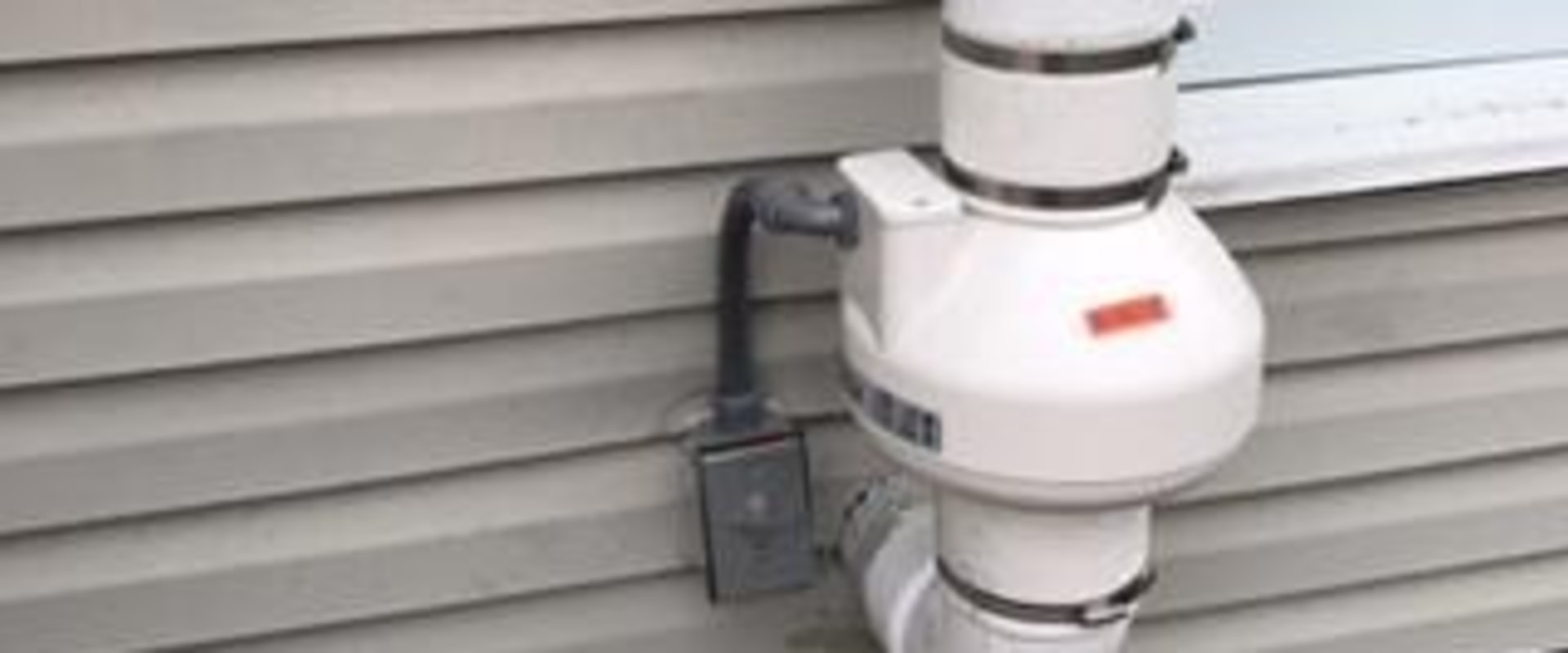
rely on natural processes to reduce radon levels in the home. Typically, these systems include a network of pipes installed beneath the foundation that allows radon gas to escape before it enters the living space.They often utilize ventilation and natural airflow to direct radon away from the house. One of the main advantages of passive systems is that they consume no energy, making them highly energy-efficient. However, their effectiveness can vary based on the home’s design and environmental factors, such as local soil conditions and weather patterns. In some cases, passive systems may not reduce radon levels sufficiently, requiring additional measures. On the other hand, active radon mitigation systems include a fan that actively draws radon out from beneath the foundation and vents it outside.
This mechanical approach ensures a more consistent reduction in radon levels, regardless of external factors. The primary advantage of active systems is their reliability in maintaining safe indoor air quality. However, they require electricity to operate, which can impact overall energy efficiency and increase utility costs over time. Homeowners must also consider the potential need for maintenance or replacement of the fan. When deciding between active and passive systems, several factors may influence a homeowner's choice.
These include the home’s construction type, existing ventilation systems, local soil conditions, and the initial radon levels measured during testing. For example, homes built on slab foundations may benefit more from active systems due to the potential for higher radon concentrations beneath them. Conversely, homes with good natural ventilation may find that passive systems are sufficient. In areas like Indianapolis and Central Indiana, where soil composition can vary significantly, the choice between active and passive systems can also be influenced by environmental considerations. Homes situated in regions with higher natural radon levels may require active systems to ensure safety.
Additionally, local weather patterns can affect how radon is distributed within a home, further informing the decision-making process. Local contractors often have distinct practices regarding the installation of radon mitigation systems. Many emphasize the importance of hiring certified specialists who understand both state regulations and local environmental factors when selecting a mitigation strategy.
Indianapolis Insulation & Energy
connects homeowners with experienced professionals who can assess individual situations and recommend appropriate solutions tailored to specific needs. Ultimately, both active and passive radon mitigation systems play essential roles in safeguarding indoor air quality and energy efficiency in homes across Central Indiana. By understanding their functionalities and implications, homeowners can make informed choices that enhance their living environments while ensuring safety from harmful radon exposure.Choosing the Right System for Your Home
When it comes to active vs passive radon mitigation systems, choosing the right system for your home is essential to ensure optimal indoor air quality and energy efficiency.Factors such as your home's location, construction type, and existing insulation play a crucial role in determining which system will be most effective. For homeowners in Central Indiana, Indianapolis Insulation & Energy serves as a valuable resource for assessing these individual needs. First, consider your home's location. Areas with higher radon levels, often due to geological conditions, may require more robust mitigation solutions. Next, the construction type of your home—whether it is a basement, crawl space, or slab—will influence the effectiveness of a passive system versus an active one.
Additionally, the state of your current insulation can impact how radon enters your home; well-insulated homes might benefit from different strategies compared to poorly insulated ones. Consulting with professionals at Indianapolis Insulation & Energy can provide homeowners with personalized assessments tailored to their unique situations. They offer expert advice on which mitigation system would work best based on comprehensive evaluations of both your property and its environment.
Connecting with Local Contractors
Homeowners in Central Indiana looking to install radon mitigation systems can greatly benefit from connecting with certified insulation contractors through Indianapolis Insulation & Energy. The process of finding qualified professionals is streamlined by the resources and connections offered by this local service. With a focus on energy efficiency and indoor air quality, Indianapolis Insulation & Energy serves as an essential hub for homeowners who want to ensure that their homes are safe and energy-efficient. By partnering with certified contractors, homeowners can access expert advice and installation services tailored to their specific needs.These professionals are trained to evaluate your home’s radon levels, recommend appropriate mitigation strategies, and install systems that comply with local regulations. Moreover, working with a contractor through Indianapolis Insulation & Energy ensures that you receive high-quality service that adheres to best practices in the industry. To connect with a certified insulation contractor, homeowners can visit the Indianapolis Insulation & Energy website or contact their office directly. This initiative not only helps in reducing radon levels but also promotes a healthier living environment and enhances overall home performance.
Energy Efficiency Considerations
When evaluating active vs passive radon mitigation systems, it's essential to consider how each type impacts overall home energy efficiency. An active radon mitigation system, which utilizes a fan to actively draw radon from beneath the home and vent it outside, may have a more significant impact on energy consumption than a passive system, which relies on natural airflow and pressure differentials.While active systems are typically more effective at reducing radon levels, they can also increase energy usage due to the electrical requirements of the fan. However, the benefits of improved air quality and reduced health risks often outweigh these costs. Incorporating proper insulation is crucial when implementing any radon mitigation system. Homes with effective insulation can maintain stable indoor temperatures, reducing the overall energy demand. For instance, properties equipped with spray foam insulation can benefit from enhanced thermal resistance, which complements both active and passive systems by minimizing heat loss during colder months.
This synergy not only helps in maintaining a safer indoor environment but also enhances energy performance, resulting in lower utility bills. Homeowners in Central Indiana looking to optimize their energy efficiency through effective radon mitigation strategies should consider reaching out to Indianapolis Insulation & Energy. Their expertise in insulation solutions can provide valuable insights into how best to integrate these systems for maximum effectiveness and efficiency.
What is an Active Radon Mitigation System?
An active radon mitigation system employs the use of mechanical fans to enhance the removal of radon gas from a home. This system is designed to create a negative pressure within the soil beneath the foundation, effectively drawing radon gas away from the ground and venting it safely outside.Indianapolis Insulation & Energy
plays a vital role in helping homeowners in Central Indiana implement these systems, ensuring that their indoor air quality remains safe and healthy. One of the significant benefits of active systems is their efficiency and effectiveness in reducing radon levels.By utilizing fans, these systems can significantly lower radon concentrations more rapidly compared to passive systems, which rely solely on natural ventilation. Active systems are particularly advantageous in homes where radon levels are particularly high or where passive systems have not adequately reduced radon concentrations. However, it is essential to consider potential energy consumption when opting for an active radon mitigation system. While these systems are effective, they do require electricity to operate the fans. This additional energy use may lead to increased utility bills, especially if the system runs continuously.
Therefore, it is crucial for homeowners to evaluate the balance between effective radon removal and energy efficiency when selecting the appropriate mitigation strategy. In summary, active radon mitigation systems offer a proactive approach to safeguarding indoor air quality by efficiently removing radon gas. Homeowners in Central Indiana can rely on Indianapolis Insulation & Energy for expert guidance and installation of these essential systems, ensuring their homes remain safe and comfortable.
What is a Passive Radon Mitigation System?
A passive radon mitigation system is a design that relies on natural processes to reduce radon levels in homes, particularly in areas like Central Indiana where radon exposure can be a concern. Unlike active systems, which utilize mechanical components such as fans to actively ventilate and expel radon gas, passive systems operate solely on the principles of airflow and pressure differences. This means they do not require electricity to function, making them an appealing option for many homeowners. One of the primary advantages of passive radon mitigation systems is their cost-effectiveness.Since these systems do not include mechanical parts, installation is generally simpler and less expensive. They often consist of a network of pipes and vents strategically placed in the foundation of the home to facilitate the natural flow of air and prevent radon from entering living spaces. However, while passive systems can be effective in reducing radon levels, they do come with limitations. Their efficiency can vary based on factors such as the home's design, local soil conditions, and weather patterns. In some cases, homeowners may find that a passive system is insufficient to lower radon levels to acceptable limits, necessitating the installation of an active system later on. For residents in Central Indiana, Indianapolis Insulation & Energy serves as an essential resource for understanding these systems.
They provide information on how both passive and active mitigation strategies can enhance indoor air quality and energy efficiency in homes. In conclusion, understanding the differences between active vs passive radon mitigation systems is crucial for homeowners concerned about indoor air quality and energy efficiency. Each system has its unique advantages; passive systems offer a cost-effective solution with lower energy demands, while active systems provide enhanced effectiveness in reducing radon levels, particularly in homes with higher concentrations. When choosing the right system, it’s essential to consider factors such as your home’s specific needs, the local climate, and potential energy costs. At Indianapolis Insulation & Energy, we emphasize the importance of making informed decisions tailored to your individual situation. Our team of experts is ready to assist you in evaluating your options and implementing effective radon mitigation strategies.
Don’t hesitate to reach out to us for guidance and services that will help ensure a safer, healthier living environment.


