At Indianapolis Insulation & Energy, we understand the importance of maintaining a healthy living environment in your home. One often overlooked yet critical aspect of home safety is radon, a naturally occurring gas that can seep into homes from the ground and pose significant health risks. With increasing awareness of radon exposure and its potential dangers, many homeowners are seeking effective ways to mitigate this risk without incurring high costs associated with professional services. This is where DIY radon mitigation solutions come into play, offering a practical and accessible approach for proactive homeowners.
Radon is known as the "silent killer" due to its odorless and colorless nature, making it vital for homeowners to take action to safeguard their families. Fortunately, there are various DIY methods that can be implemented to reduce radon levels effectively. In this article, we'll explore these innovative solutions, equipping you with the knowledge you need to tackle radon concerns on your own. Whether you’re a seasoned DIY enthusiast or just looking for simple ways to improve your home's safety, our guide will provide you with actionable steps to create a healthier living space. In recent years, homeowners in Indianapolis and Central Indiana have become increasingly aware of the potential dangers posed by radon gas.
This naturally occurring radioactive gas can seep into homes through cracks and openings, leading to health risks for residents. It is crucial for homeowners to address radon levels effectively, and Indianapolis Insulation & Energy serves as a valuable resource for information on insulation options and energy efficiency improvements that can aid in serves as a valuable resource for information on insulation options and energy efficiency improvements that can aid in radon mitigation efforts. Understanding various DIY radon mitigation solutions is essential for those looking to enhance the safety of their living environments. One of the most effective DIY techniques for mitigating radon levels is sealing cracks and openings in the foundation and walls of a home. Radon typically enters through small fissures in concrete floors, walls, and around pipes or wires that penetrate the building's structure.
Homeowners can use caulk or expanding foam to seal these gaps, which significantly reduces the amount of radon that can enter the home. While this method can be highly effective, it is important to remember that complete sealing may not eliminate radon entirely, especially if the home has high levels of radon initially. Improving ventilation is another practical DIY strategy. By increasing air circulation within the home, homeowners can help dilute radon concentrations. This can be achieved by opening windows and using fans to promote airflow or installing a heat recovery ventilator (HRV) or energy recovery ventilator (ERV).
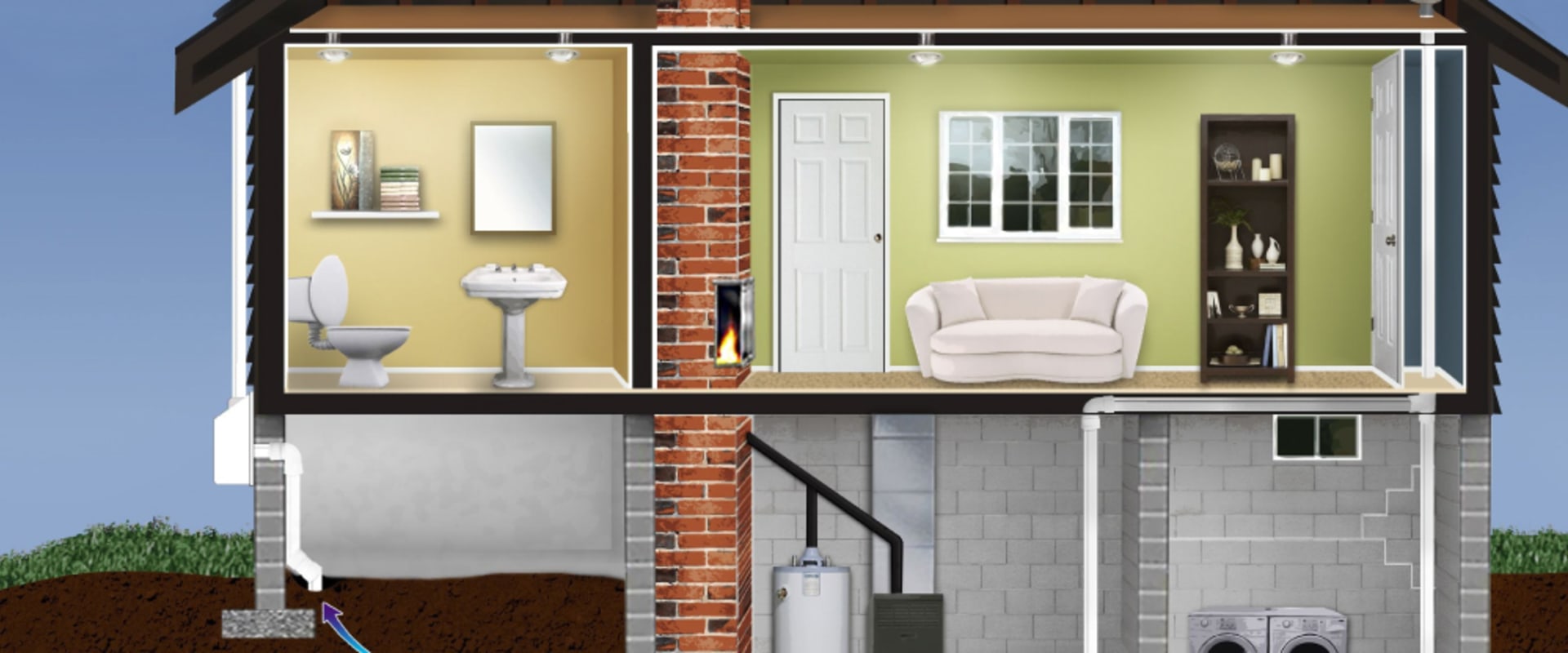
These systems not only improve indoor air quality but also help in managing humidity levels, which is beneficial for overall energy efficiency. However, homeowners should be aware that while increased ventilation can lower radon levels, it may also lead to increased heating and cooling costs if not managed properly. An additional option for DIY radon mitigation is the installation of a radon mitigation system. This system typically involves creating a suction point beneath the home that draws radon gas out from below the foundation and vents it outside, away from windows and doors. While some homeowners may feel comfortable installing a simple mitigation system themselves, professional assistance is often recommended to ensure proper installation and functionality.
A certified contractor can assess the home’s specific needs and provide guidance on the most effective installation methods. In addition to these mitigation techniques, incorporating effective insulation options can significantly enhance energy efficiency while also contributing to radon reduction. Spray foam insulation is one such option that not only seals gaps but also provides excellent thermal resistance. Blown-in insulation is another effective solution that can fill hard-to-reach spaces in attics and walls, further reducing air leakage. By improving a home’s insulation, homeowners can create a more energy-efficient environment that also helps prevent radon infiltration. To assess a home's insulation needs effectively, homeowners should consider conducting an energy audit.
This process identifies areas where energy is being lost and can reveal potential entry points for radon gas. An energy audit often involves reviewing insulation levels, checking for air leaks, and assessing overall energy consumption patterns. Homeowners interested in this service can connect with Indianapolis Insulation & Energy, which connects property owners with certified insulation contractors and energy auditors who can provide valuable insights and recommendations. The benefits of working with local contractors cannot be overstated; they bring expertise in both insulation and radon mitigation techniques tailored specifically for homes in Central Indiana. Professional assessments ensure that both energy efficiency improvements and radon mitigation strategies are effectively integrated into the home’s design.
Addressing these two aspects together not only enhances comfort but also significantly contributes to a healthier living environment. In conclusion, combining effective DIY radon mitigation solutions with improved insulation practices creates a synergy that enhances both safety and energy efficiency in homes across Indianapolis and Central Indiana. By understanding these methods and connecting with local resources like Indianapolis Insulation & Energy, homeowners can take proactive steps toward safeguarding their homes against radon exposure while optimizing their energy use.
Understanding Radon and Its Risks
Radon is a colorless, odorless gas that occurs naturally as uranium in soil and rock breaks down. It can seep into homes through cracks in floors, walls, and foundations, as well as through gaps in construction joints and around service pipes. In areas like Indianapolis and Central Indiana, where geological conditions may facilitate radon accumulation, it is crucial for homeowners to be aware of this silent intruder.Indianapolis Insulation & Energy serves as an essential resource for those seeking to understand radon levels in their homes and explore effective mitigation strategies. High levels of radon exposure pose significant health risks. According to the Environmental Protection Agency (EPA), radon is the second leading cause of lung cancer in the United States, following smoking. When inhaled, radon gas can damage lung tissue and lead to cancer over time. It is particularly dangerous because it often goes undetected until significant health issues arise.
Homeowners should take proactive measures to test their properties for radon and implement necessary mitigation solutions to safeguard their health and that of their families.
The Importance of Professional Help
While DIY radon mitigation solutions can be effective for some homeowners, there are situations where seeking professional assistance is crucial. Understanding when to call in the experts can make a significant difference in ensuring the safety and well-being of your home environment. Homeowners in Indianapolis and Central Indiana often face unique challenges when it comes to radon levels, making it essential to have access to reliable resources like Indianapolis Insulation & Energy. This organization not only provides valuable information on insulation options and energy efficiency improvements but also connects homeowners with certified contractors who specialize in radon mitigation. Professional contractors possess the expertise and tools necessary to accurately assess radon levels and implement effective mitigation strategies.They can conduct comprehensive testing, identify potential entry points for radon gas, and recommend the best solutions tailored to the specific needs of your home. Additionally, their knowledge of local building codes and regulations ensures that any work performed meets safety standards, ultimately providing peace of mind for homeowners. Moreover, while DIY approaches may seem cost-effective at first glance, improper installation or inadequate solutions can lead to more significant issues down the line, including higher radon levels or structural damage. Thus, leveraging the resources available through Indianapolis Insulation & Energy can help you make informed decisions about when to take on a DIY project and when it's best to enlist professional help.
DIY Radon Mitigation Techniques
When it comes to tackling radon levels in your home, there are several DIY radon mitigation solutions that homeowners can implement effectively. These techniques are particularly relevant for residents in Indianapolis and Central Indiana, where awareness and concern about radon are on the rise.First and foremost, you can start by testing your home for radon levels using a DIY radon test kit, which is readily available at local hardware stores or online. Once you have determined the radon levels, you can explore various mitigation methods. One effective DIY approach is to improve ventilation in your home. This can be achieved by opening windows and using fans to circulate air, especially in areas prone to higher radon accumulation, such as basements. Additionally, sealing cracks and openings in your foundation can significantly reduce radon entry points.
For this task, use caulk or foam sealant to fill gaps around pipes, sump pumps, and any other openings. Another useful technique is to install a radon mitigation system, which can be done with some basic plumbing skills. A common method involves creating a vent pipe system that draws radon from beneath the home and releases it outside. This typically requires a fan to maintain airflow. For guidance on the specifics of setting up such a system, homeowners can consult resources from Indianapolis Insulation & Energy, which provides valuable insights into energy efficiency improvements that complement radon mitigation efforts. Lastly, consider using an air filtration system equipped with a HEPA filter, which can help reduce indoor radon levels as well as improve overall air quality.
While these DIY radon mitigation techniques can be effective, it’s important to regularly monitor radon levels post-mitigation to ensure that your home remains safe.
Insulation Options for Energy Efficiency
When considering DIY radon mitigation solutions, it’s crucial to recognize that effective insulation plays a significant role in enhancing energy efficiency while also contributing to lower radon levels in your home.Indianapolis Insulation & Energy
emphasizes the importance of proper insulation in homes across Indianapolis and Central Indiana, where radon exposure is a growing concern. Properly insulated homes not only maintain comfortable temperatures but also create barriers that can reduce radon infiltration. There are several insulation options available that can effectively support both energy efficiency and radon mitigation efforts.Spray foam insulation
, for instance, is known for its superior air sealing properties.This type of insulation expands to fill gaps and cracks, thereby minimizing air leaks that can allow radon gas to enter the home. Additionally, its high R-value means it provides excellent thermal resistance, reducing energy costs.
Blown-in insulation
is another effective option, particularly for attics and walls. It can be easily installed in existing structures and fills voids that may be missed with traditional batts or rolls. By improving the overall thermal barrier of your home, blown-in insulation can help create an environment less conducive to radon accumulation. Furthermore, a well-insulated home encourages homeowners to maintain positive pressure indoors, making it harder for radon gas to seep in from the ground.By choosing insulation materials wisely and ensuring proper installation, homeowners can enhance their home's energy efficiency while taking proactive steps towards mitigating radon levels. In conclusion, investing in quality insulation not only benefits your energy bills but also aids in creating a safer living environment by reducing radon entry points. For more detailed information on various insulation options and their role in energy efficiency improvements, you can consult with Indianapolis Insulation & Energy, which connects homeowners with certified insulation contractors and energy auditors. In conclusion, addressing radon levels in your home is not just a matter of safety; it is a crucial step towards creating a healthier living environment. By implementing DIY radon mitigation solutions, homeowners can take immediate action to reduce radon levels effectively. Coupled with insulation improvements from experts like Indianapolis Insulation & Energy, these efforts can lead to long-term benefits, including enhanced energy efficiency and increased comfort in your home. We encourage readers to explore the various DIY radon mitigation techniques discussed in this article and consider how insulation upgrades can further support these initiatives.
Remember, while DIY methods are valuable, the expertise of local professionals can ensure that your home is not only safe from radon but also optimized for energy efficiency. Don't hesitate to reach out to Indianapolis Insulation & Energy for more information on how you can enhance your home’s health and efficiency.