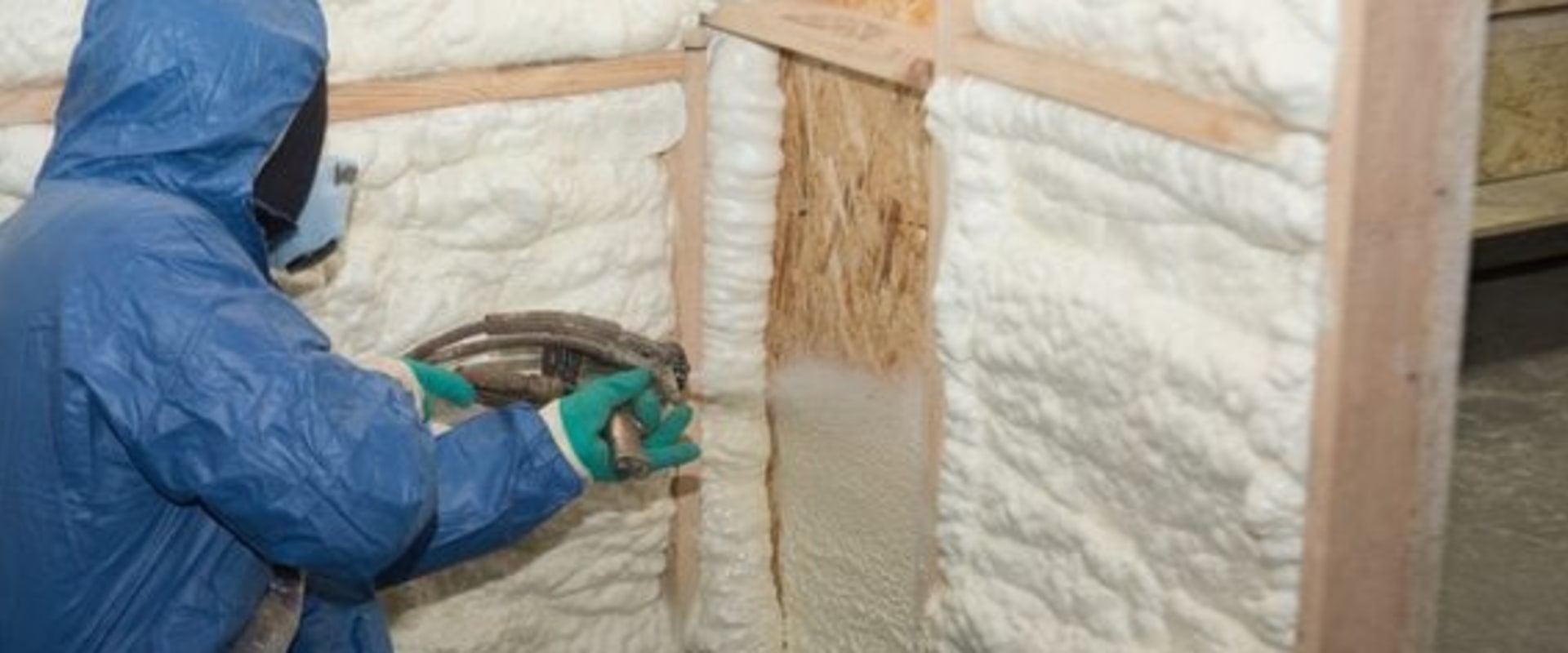
When it comes to enhancing the energy efficiency and comfort of your home, When it comes to enhancing the energy efficiency and comfort of your home, Foam Board InsulationFoam Board Insulation stands out as a remarkable solution. At Indianapolis Insulation & Energy, we understand the critical role that proper insulation plays in maintaining an optimal indoor environment, especially in the diverse climate of Central Indiana. Whether you are constructing a new home or looking to upgrade your existing insulation, foam board insulation offers unique benefits that can significantly improve your home's energy performance. This type of insulation is not only easy to install but also provides excellent thermal resistance, making it an ideal choice for various applications, including basements, walls, and roofs. In this article, we will delve into the essential aspects of foam board insulation, exploring its advantages, installation methods, and how it compares to other insulation types.
By understanding these key factors, homeowners can make informed decisions that contribute to energy savings and enhanced comfort. Join us as we unravel the intricacies of foam board insulation and empower yourself with the knowledge necessary to transform your living space into a more energy-efficient haven. With insights from Indianapolis Insulation & Energy, you will be equipped to navigate your insulation options confidently.
Foam board insulation
is becoming an increasingly popular choice for homeowners seeking to enhance their home’s energy efficiency. At Indianapolis Insulation & Energy, we recognize the pivotal role that proper insulation plays in reducing energy costs and improving comfort. Understanding the composition and various types of foam board insulation can help you make informed decisions about your insulation needs. Foam board insulation is typically made from polystyrene, polyisocyanurate, or polyurethane materials.Each type has distinct properties that cater to different applications. For instance, extruded polystyrene (XPS) is known for its durability and moisture resistance, making it ideal for areas prone to dampness, such as basements. On the other hand, polyisocyanurate foam boards tend to have a higher R-value rating, which measures the material's thermal resistance. The R-value is crucial as it directly correlates with how effective the insulation will be in reducing heat transfer; higher R-values indicate better insulation performance. The benefits of using foam board insulation extend beyond just energy efficiency.
One significant advantage is its moisture resistance, which helps prevent mold growth and structural damage in vulnerable areas of your home. Additionally, the ease of installation makes foam board insulation a convenient option for many homeowners. It can be cut to fit various spaces and installed in a variety of locations, ensuring that it can be integrated seamlessly into your home’s design. Common applications for foam board insulation include installation in basements, where it can significantly improve thermal performance and comfort levels; walls, where it helps maintain consistent indoor temperatures; and attics, where it serves as a barrier against heat loss during colder months. By utilizing foam board insulation in these critical areas, homeowners can achieve substantial energy savings over time. When considering the environmental impact of foam board insulation compared to other materials, sustainability becomes an essential factor.
Many foam board products are designed to minimize waste and can contribute to energy-efficient building practices. Additionally, some manufacturers are now offering eco-friendly options that utilize recycled materials or low-impact production processes. This aligns with the growing trend towards sustainable building practices and can help homeowners feel good about their insulation choices. However, there are common concerns and misconceptions surrounding foam board insulation. Some homeowners may initially perceive it as a higher upfront investment compared to traditional insulation methods.
Yet, it’s important to consider the long-term savings on energy bills that come from improved efficiency. In many cases, the initial cost is offset by reduced heating and cooling expenses over time, making foam board insulation a wise investment for energy-conscious homeowners. Choosing a contractor for your foam board insulation installation is a critical step in ensuring that your project meets local codes and regulations. At Indianapolis Insulation & Energy, we connect property owners with certified insulation contractors who have the expertise to ensure proper installation. A professional contractor will not only help you select the best type of foam board for your specific needs but also ensure that the installation process adheres to best practices, maximizing your investment in energy efficiency. In conclusion, understanding the various aspects of foam board insulation can empower homeowners to make informed decisions about their home insulation projects.
With its high R-value ratings, moisture resistance, and sustainability features, foam board insulation is indeed a viable option for improving energy efficiency in homes across Central Indiana.
Benefits of Foam Board Insulation
Foam board insulation offers a range of advantages for homeowners aiming to enhance energy efficiency in their residences. One of the primary benefits is its excellent thermal performance. With a high R-value per inch, foam board insulation effectively reduces heat transfer, keeping homes warmer in the winter and cooler in the summer. This superior thermal resistance can lead to significant savings on energy bills over time, making it a financially sound investment for homeowners. Another notable advantage of foam board insulation is its ability to control moisture.Unlike traditional insulation materials, foam boards create a barrier that can help prevent moisture buildup. This is particularly important in areas susceptible to humidity, as excess moisture can lead to mold growth and structural damage. By using foam board insulation, homeowners can protect their homes from these potential issues while also maintaining a healthier indoor environment. Furthermore, the installation versatility of foam board insulation makes it an appealing option for various applications. It can be used in walls, roofs, and even under floors, adapting to different spaces and construction types.
Whether you're retrofitting an existing structure or building a new home, foam board insulation can be tailored to fit your specific needs. For those considering this insulation solution, Indianapolis Insulation & Energy stands out as a key resource in Central Indiana, providing expertise and guidance on the best practices for installation and energy efficiency. In summary, the benefits of foam board insulation—including its thermal performance, moisture control, and versatility—make it an excellent choice for homeowners looking to improve their home's energy efficiency and comfort.
Environmental Considerations
When evaluating insulation options for your home, it is essential to consider the environmental impact of each material.Foam board insulation
stands out as a viable choice not only for its energy efficiency but also for its potential positive effects on the environment.Indianapolis Insulation & Energy
emphasizes the importance of sustainable insulation solutions, and foam board is a prime example of a product that can help reduce your carbon footprint. One of the key benefits of foam board insulation is its durability and longevity, which means it does not need to be replaced as frequently as other insulation types.This longevity contributes to less waste in landfills over time. Additionally, many manufacturers are now producing foam boards that incorporate recycled materials, which further enhances their environmental appeal. Another significant aspect of foam board insulation is its ability to improve energy efficiency in homes. By providing superior thermal resistance, foam board insulation helps to keep homes warmer in winter and cooler in summer. This efficiency translates into lower energy consumption, which is beneficial not only for homeowners' wallets but also for the environment, as reduced energy use leads to a decrease in greenhouse gas emissions. Moreover, it is worth noting that while traditional foam board insulation may not be biodegradable, advancements in recycling technologies are making it possible to recycle certain types of foam products.
Homeowners interested in sustainability should inquire about recycling options when installing foam board insulation.
Indianapolis Insulation & Energy
can guide you in finding contractors who prioritize eco-friendly practices and materials. In conclusion, when considering insulation materials, foam board insulation offers an environmentally conscious option that supports energy efficiency and sustainability efforts. As a homeowner aiming to reduce your carbon footprint, exploring this option with the help of experts like Indianapolis Insulation & Energy can lead you toward making informed and responsible choices for your home.Installation Process
Installing foam board insulation involves a series of critical steps that ensure optimal performance and energy efficiency for your home. First, it is essential to assess the areas where insulation is needed, such as walls, basements, or attics.This evaluation helps determine the quantity and thickness of foam board required. Once the materials are selected, the next step is to prepare the surfaces where the boards will be applied. This may include cleaning and ensuring that the surfaces are dry to promote proper adhesion. Next, the foam board insulation panels should be cut to fit the specific dimensions of the area being insulated. Accurate measurements are crucial for minimizing gaps that could lead to energy loss.
Once cut, these boards are typically attached using adhesive or mechanical fasteners, depending on the application and manufacturer instructions. After installation, it’s important to seal any seams or joints with appropriate tape or sealant to prevent air leaks, which can compromise the effectiveness of the insulation. This sealing process is vital in achieving a continuous thermal barrier, which enhances energy efficiency. While some homeowners may consider undertaking this project themselves, it is highly recommended to hire a professional service like Indianapolis Insulation & Energy. Professionals possess the expertise and tools necessary to ensure that the installation meets industry standards and provides maximum energy savings. They can also navigate any building codes and regulations that may apply, giving you peace of mind that your insulation is installed correctly. In summary, while installing foam board insulation can seem straightforward, engaging professionals from Indianapolis Insulation & Energy can help you achieve optimal results and avoid common pitfalls associated with DIY installations.
Connecting with Local Professionals
When considering foam board insulation for your home, it’s essential to connect with local professionals who have the expertise to guide you through the process.Indianapolis Insulation & Energy stands out as a key resource in Central Indiana, offering homeowners access to certified contractors who specialize in insulation solutions. By reaching out to them, you can receive tailored advice that aligns with your specific insulation needs and energy efficiency goals. Consulting with professionals ensures that you not only select the right type of insulation but also implement it correctly. The team at Indianapolis Insulation & Energy can help you assess your home’s current insulation status and recommend the most suitable options, including foam board insulation. Their connections with certified contractors mean that you can trust the quality of work performed on your property, ultimately leading to improved energy efficiency and comfort. Don’t hesitate to reach out to Indianapolis Insulation & Energy for expert advice and support in choosing the right contractors for your insulation projects.
Taking this step can significantly impact your home’s energy costs and overall comfort.
What is Foam Board Insulation?
Foam board insulation is a type of rigid insulation that provides excellent thermal resistance, making it a popular choice for homeowners looking to enhance energy efficiency in their residences. It is particularly effective in reducing heat transfer, which can lead to lower energy costs and increased comfort.Indianapolis Insulation & Energy
serves as a valuable resource in Central Indiana for homeowners considering this insulation option. There are several types of foam board insulation, each with its own unique properties and applications. The most common types include expanded polystyrene (EPS), extruded polystyrene (XPS), and polyisocyanurate.Expanded polystyrene (EPS)
is lightweight and cost-effective, making it suitable for various applications such as walls, roofs, and foundations.It has a lower R-value compared to other foam boards but still provides adequate insulation for many projects.
Extruded polystyrene (XPS)
, on the other hand, offers a higher R-value per inch than EPS and is more resistant to moisture absorption. This makes it an ideal choice for areas prone to dampness, such as basements and exterior walls. Lastly, polyisocyanurate is known for its high thermal resistance and is often used in commercial buildings. It features a foil facing that enhances its insulation properties and serves as a vapor barrier, adding further versatility to its applications. Choosing the right type of foam board insulation depends on the specific needs of your home and the environment it will be used in. Consulting with professionals like those at Indianapolis Insulation & Energy can help you make an informed decision that aligns with your energy efficiency goals. In conclusion, foam board insulation presents a highly effective solution for homeowners aiming to enhance their home's energy efficiency.Throughout this article, we have explored its definition, benefits, and installation process, while also considering environmental factors. Proper insulation is crucial in reducing energy costs and ensuring a comfortable living environment. For those in Central Indiana, Indianapolis Insulation & Energy stands out as a valuable resource, offering expert guidance and professional assistance tailored to your insulation needs. By consulting with them, you can make informed decisions that will lead to long-term energy savings and improved home comfort.


