When it comes to home improvement projects, especially those involving insulation, understanding the nuances of costs is essential for making informed decisions.
Indianapolis Insulation & Energy
is committed to guiding homeowners through the complexities of estimating costs associated with labor and materials. With a keen focus on energy efficiency and quality, our expertise in the insulation sector sheds light on how these two components play a pivotal role in your overall project budget.Labor costs can vary significantly depending on the type of insulation being installed and the complexity of the job, while and quality, our expertise in the insulation sector sheds light on how these two components play a pivotal role in your overall project budget. Labor costs can vary significantly depending on the type of insulation being installed and the complexity of the job, while material costs are influenced by the quality and type of insulation chosen. This article aims to demystify these elements, providing you with a comprehensive understanding of how to navigate labor and material costs effectively. is committed to guiding homeowners through the complexities of estimating costs associated with labor and materials. With a keen focus on energy efficiency and quality, our expertise in the insulation sector sheds light on how these two components play a pivotal role in your overall project budget. Labor costs can vary significantly depending on the type of insulation being installed and the complexity of the job, while material costs are influenced by the quality and type of insulation chosen. This article aims to demystify these elements, providing you with a comprehensive understanding of how to navigate labor and material costs effectively. and quality, our expertise in the insulation sector sheds light on how these two components play a pivotal role in your overall project budget. Labor costs can vary significantly depending on the type of insulation being installed and the complexity of the job, while material costs are influenced by the quality and type of insulation chosen. This article aims to demystify these elements, providing you with a comprehensive understanding of how to navigate labor and material costs effectively. is committed to guiding homeowners through the complexities of estimating costs associated with labor and materials. With a keen focus on energy efficiency and quality, our expertise in the insulation sector sheds light on how these two components play a pivotal role in your overall project budget. Labor costs can vary significantly depending on the type of insulation being installed and the complexity of the job, while material costs are influenced by the quality and type of insulation chosen. This article aims to demystify these elements, providing you with a comprehensive understanding of how to navigate labor and material costs effectively.By grasping these concepts, you can better prepare for your home insulation project, ensuring that you invest wisely in solutions that enhance both comfort and energy efficiency. As you delve into this guide, you’ll discover strategies to balance labor and material expenses while maximizing your home's insulation performance. Armed with this knowledge from Indianapolis Insulation & Energy, you'll be equipped to make smart choices that not only save you money but also contribute to a more sustainable living environment. When embarking on a home insulation project, understanding labor versus material costs is crucial for homeowners. This distinction not only affects the overall budget but also influences the quality and effectiveness of the insulation installed. Indianapolis Insulation & Energy serves as a key resource for homeowners seeking to navigate these complexities, providing insights into how to make informed decisions about their insulation needs.
By comprehending how these costs interplay, homeowners can maximize their savings while ensuring their homes are energy efficient. At the core of any insulation project lies the differentiation between labor costs and material costs.
Labor costs
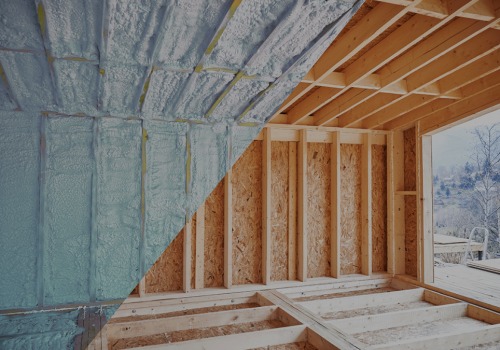
refer to the expenses associated with hiring skilled professionals to install insulation, which can vary significantly based on various factors. For instance, when considering projects like spray foam insulation, labor costs can be higher due to the specialized skills and equipment needed for its application. Conversely, blown-in insulation, which may be simpler to install, could lead to lower labor expenses. The complexity of the project plays a significant role in determining labor costs.For instance, if a homeowner decides to insulate a newly constructed attic versus retrofitting an existing home with difficult access points, the labor involved will differ drastically. Additionally, regional rates come into play; contractors in urban areas like Indianapolis may charge more compared to those in rural locations due to higher living costs. Furthermore, the experience level of the contractor can influence rates—more seasoned professionals often command higher fees but may deliver superior quality and efficiency. On the other side of the equation are material costs, which encompass the price of insulation materials themselves. Different types of insulation come with varying price tags.
For example, spray foam insulation, known for its high R-value and air sealing properties, generally costs more than traditional fiberglass batting or blown-in cellulose. Understanding these differences is essential for homeowners aiming to balance performance with budget constraints. The choice of insulation type can directly impact not only initial material costs but also long-term energy savings. Homeowners should assess the different options available—such as fiberglass, cellulose, or spray foam—and consider factors like thermal performance and environmental impact when evaluating their investments. When it comes to receiving estimates from contractors, transparency and thoroughness are paramount. Homeowners should request detailed breakdowns of both labor and material costs, ensuring that each component is clearly outlined.
This practice not only helps in comparing different bids but also aids in understanding where potential savings might be found. A reputable contractor will provide clear explanations regarding their pricing and the rationale behind it. A common misconception among homeowners is that lower estimates always equate to better value. However, this is not necessarily true; opting for the cheapest option can lead to subpar work or inadequate materials that may require future replacement, ultimately increasing costs over time. It’s vital to consider the total value offered by a contractor, including their reputation, experience, and the quality of materials used. As you navigate your home insulation project, keep in mind that understanding the nuances of labor vs material costs can empower you to make informed decisions.
Indianapolis Insulation & Energy remains committed to helping you connect with certified insulation contractors who prioritize quality and transparency in their work, ensuring that your investment leads to lasting benefits for your home.
Connecting with Local Professionals
When embarking on a home insulation project, it is crucial to connect with experienced professionals who can guide you through the process.Indianapolis Insulation & Energy
serves as an invaluable resource for homeowners looking to improve their insulation quality and energy efficiency. By reaching out to this trusted organization, you can gain access to a network of certified contractors who specialize in various insulation types, including spray foam and blown-in insulation. Engaging with local professionals not only ensures that your project is handled by experts but also helps you understand the nuances of labor and material costs associated with your insulation project. These professionals can provide tailored advice based on your specific needs and budget, allowing you to make informed decisions that maximize your savings. Furthermore, Indianapolis Insulation & Energy facilitates connections with energy auditors who can assess your home’s efficiency and recommend improvements.This holistic approach ensures that you are not only insulated properly but also equipped with knowledge about potential energy savings. Don’t hesitate to reach out to them for guidance and support as you navigate the complexities of your home insulation project.
Understanding Labor Costs
When embarking on a home insulation project, understanding labor costs is crucial for effective budgeting and planning. At Indianapolis Insulation & Energy, we emphasize the importance of breaking down these costs to ensure homeowners are well-informed and prepared for the financial aspects of their insulation upgrades. Labor costs typically encompass the hourly rates of skilled professionals, which can vary based on experience, location, and the complexity of the installation. Calculating labor costs begins with determining the hourly rate charged by contractors.This rate can be influenced by various factors, including the type of insulation being installed and the contractor's qualifications. Additionally, project timelines play a significant role in estimating overall labor expenses. A straightforward installation may only require a few hours, while more complex projects could take several days to complete. To accurately estimate labor costs, homeowners should consider not only the hourly rate but also how long each aspect of the project will take. This includes preparation work, actual installation, and any necessary cleanup or finishing tasks.
By understanding these components, homeowners can work with Indianapolis Insulation & Energy to ensure they receive accurate estimates and make informed decisions that maximize their savings.
Evaluating Estimates from Contractors
When embarking on a home insulation project, one of the most crucial steps is evaluating estimates from contractors.Indianapolis Insulation & Energy
serves as an invaluable resource for homeowners looking to enhance their energy efficiency and insulation quality. Understanding the details within contractor estimates can significantly influence your project's overall success and budget. First and foremost, look for detailed breakdowns in the estimates provided. A comprehensive estimate should clearly outline the costs associated with both labor and materials.This transparency allows you to assess whether the prices are reasonable and competitive within the market. If a contractor's estimate lacks detail, it may be a red flag indicating potential hidden costs or ambiguities in the pricing structure. In addition to itemized costs, pay attention to the scope of work included in the estimate. Ensure that it covers all necessary components of the insulation project, including preparation, installation, and any additional services such as environmental testing or energy audits that Indianapolis Insulation & Energy can help facilitate. A well-defined scope not only clarifies expectations but also provides a basis for accountability throughout the project. Furthermore, consider comparing estimates from multiple contractors.
This practice not only helps you gauge the average market price but also allows you to evaluate different contractors’ approaches and services offered. Remember to ask questions about any discrepancies in pricing or scope; a reputable contractor will be willing to explain their reasoning and provide further detail. Lastly, don’t forget to factor in the contractor's experience and reputation. While a lower estimate might seem appealing, it’s essential to balance cost with quality and reliability. Look for contractors who are certified and have positive reviews, as these aspects can greatly impact the quality of work delivered in your home insulation project.
The Role of Energy Efficiency Improvements
When embarking on a home insulation project, it is crucial to connect your insulation choices to the broader context of energy efficiency benefits.Proper insulation not only enhances comfort but also plays a significant role in reducing energy consumption. By investing in quality insulation, homeowners can create a barrier against heat loss in winter and heat gain in summer, leading to a more stable indoor environment. At Indianapolis Insulation & Energy, we emphasize the importance of selecting the right type of insulation for your specific needs. For instance, materials like spray foam and blown-in insulation can greatly improve a home's energy efficiency by sealing gaps and preventing air leakage. This not only helps maintain a comfortable temperature but also reduces the workload on heating and cooling systems, resulting in lower energy bills. Furthermore, the long-term savings associated with energy-efficient insulation are substantial.
Homeowners can expect reduced utility costs over time, making the initial investment in quality materials and installation more than worthwhile. By understanding the relationship between labor costs, material costs, and energy efficiency improvements, homeowners can make informed decisions that lead to significant savings in the long run. In conclusion, as you plan your home insulation project, consider how each choice affects your energy efficiency. Partnering with experts like Indianapolis Insulation & Energy ensures that you receive guidance tailored to your specific situation, allowing you to maximize both comfort and savings.
Breaking Down Material Costs
Understanding the different types of insulation materials available is crucial for homeowners embarking on a home insulation project. Each material not only serves a distinct purpose in terms of energy efficiency but also varies significantly in cost.Indianapolis Insulation & Energy is an excellent resource for homeowners who want to gain insight into these options and make informed choices. Some of the most commonly used insulation materials include fiberglass, spray foam, cellulose, and rock wool.
Fiberglass insulation
is one of the most popular options due to its affordability and effectiveness. It typically costs between $0.40 to $1.50 per square foot, depending on the type and thickness. This material is known for its thermal resistance and soundproofing qualities, making it a great choice for many homeowners.Spray foam insulation
, on the other hand, offers superior insulating properties and can help seal gaps that other materials might miss.However, it tends to be more expensive, ranging from $1.00 to $3.00 per square foot. Its high initial cost can be offset by energy savings over time, as it provides excellent air sealing capabilities.
Cellulose insulation
, made from recycled paper products, is another eco-friendly option that can be cost-effective, generally priced at about $0.50 to $2.00 per square foot. It’s treated with fire retardants and can provide effective thermal resistance when installed properly. Lastly, rock wool insulation, known for its fire-resistant properties and sound absorption capabilities, typically costs between $1.00 to $3.00 per square foot. While it may come at a higher price point, its durability and performance in extreme temperatures can justify the investment for some homeowners. When evaluating these materials, it's essential to consider not only the price per square foot but also how each option impacts your overall project costs.Indianapolis Insulation & Energy can guide you through these choices, ensuring you select the best insulation material that aligns with your budget and energy efficiency goals. In conclusion, understanding both labor and material costs is essential when planning an insulation project. These costs play a significant role in the overall budget and can greatly impact the long-term energy efficiency of your home. By breaking down these expenses, homeowners can make informed decisions that align with their financial goals while ensuring quality insulation work. With the expertise of Indianapolis Insulation & Energy, homeowners are empowered to navigate these complexities with confidence. Their comprehensive knowledge of insulation options and energy efficiency solutions positions them as a valuable resource for anyone looking to enhance their home's comfort and sustainability. Ultimately, by partnering with professionals like Indianapolis Insulation & Energy, you can maximize your savings and achieve a well-insulated home that meets your needs for years to come.