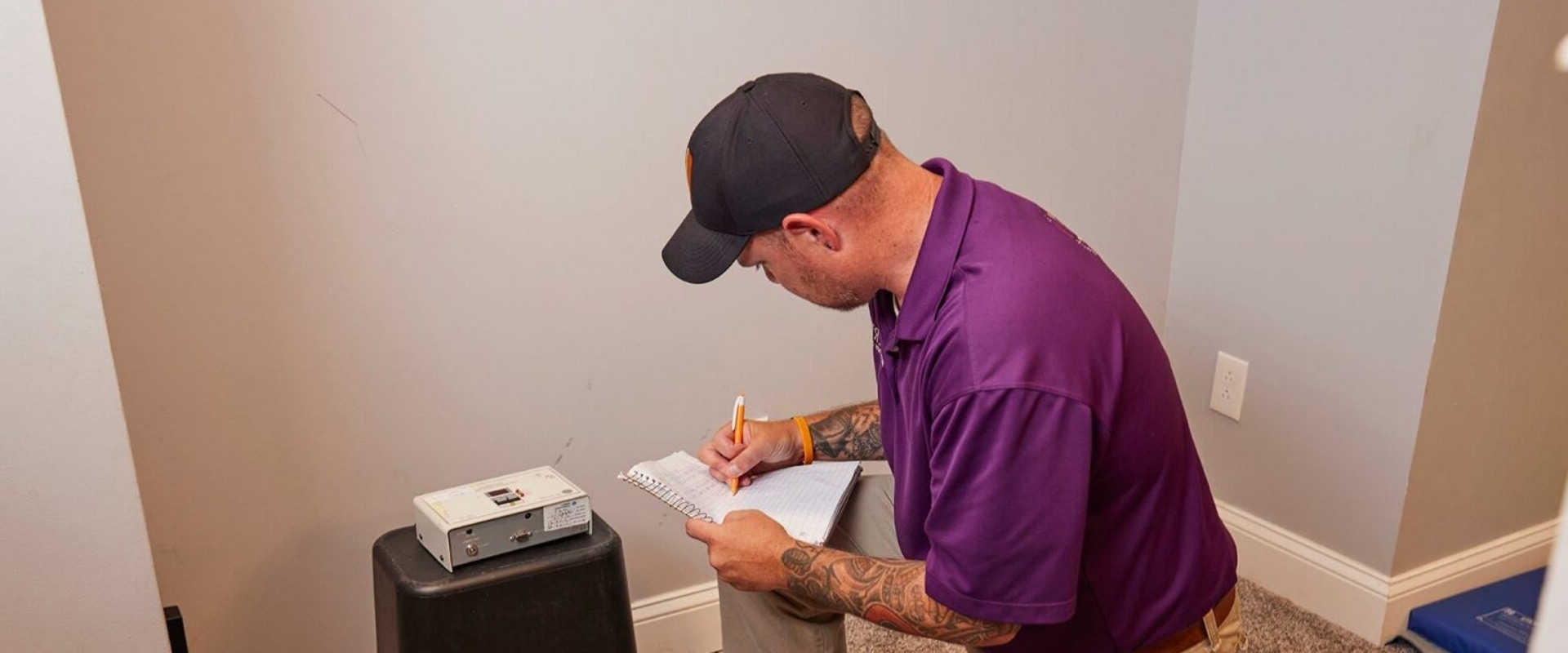
When it comes to ensuring a safe and healthy living environment, understanding the importance of testing for radon in your home cannot be overstated. At Indianapolis Insulation & Energy, we recognize that radon, a colorless and odorless gas, can seep into homes from the ground and pose serious health risks to you and your loved ones. This article aims to guide you through the essential steps of testing for radon, helping you take proactive measures in safeguarding your home against this invisible threat. Radon is a naturally occurring radioactive gas that can accumulate in indoor spaces, particularly in basements and lower levels of homes. As a leading authority in home energy services in Central Indiana, Indianapolis Insulation & Energy provides valuable insights into environmental testing and mitigation strategies.
By familiarizing yourself with effective radon testing methods, you can ensure that your home remains a haven of safety and comfort. In the following sections, we will explore various approaches to radon testing, empowering you to make informed decisions for your family's well-being. Testing for radon is a critical step in ensuring a safe home environment, especially considering that this colorless and odorless gas can lead to serious health risks, including lung cancer. Residents of Central Indiana can rely on By familiarizing yourself with effective radon testing methods, you can ensure that your home remains a haven of safety and comfort. In the following sections, we will explore various approaches to radon testing, empowering you to make informed decisions for your family's well-being. Testing for radon is a critical step in ensuring a safe home environment, especially considering that this colorless and odorless gas can lead to serious health risks, including lung cancer. Residents of Central Indiana can rely on Indianapolis Insulation & Energy as a key resource for effective radon testing and mitigation solutions. Understanding the different methods of radon testing available to homeowners is essential for identifying potential radon problems in your home. There are two primary types of radon testing methods: short-term and long-term testing kits.
Short-term tests are designed to measure radon levels over a period ranging from 2 to 90 days, with most tests typically lasting between 2 and 7 days. These kits are easy to use and can provide quick results, making them ideal for initial screening. Homeowners simply place the test kit in the lowest livable area of their home, such as a basement or crawlspace, and then send it to a laboratory for analysis. On the other hand, long-term tests are conducted over a period of more than 90 days, providing a more comprehensive assessment of radon levels throughout different seasons and environmental conditions. This method is particularly beneficial for understanding how radon levels fluctuate and ensuring that any mitigation measures taken are effective over time. It is crucial to test different areas of the home, particularly basements and crawlspaces, where radon tends to accumulate due to its natural emanation from the ground.
Since radon is a heavier gas, it can infiltrate homes through cracks in floors, walls, and foundations, often leading to higher concentrations in lower levels of the house. By conducting tests in these areas, homeowners can better gauge their exposure risk. Once test results are obtained, interpreting them correctly is vital. The U.S. Environmental Protection Agency (EPA) recommends taking action if radon levels exceed 4 picocuries per liter (pCi/L).
If results indicate elevated levels of radon, homeowners should consider contacting professionals who specialize in radon mitigation. Local contractors from If results indicate elevated levels of radon, homeowners should consider contacting professionals who specialize in radon mitigation. Local contractors from Indianapolis Insulation & Energy can provide expert guidance on the most effective mitigation strategies, which may include installing venting systems or improving the sealing of the home's foundation. In addition to addressing radon levels, proper insulation plays a significant role in enhancing energy efficiency within the home. Effective insulation not only helps to regulate indoor temperatures but can also reduce the pathways through which radon enters a home. By investing in quality insulation solutions provided by Indianapolis Insulation & Energy, homeowners can create a healthier living environment while simultaneously achieving energy efficiency improvements. In conclusion, testing for radon should be a priority for every homeowner concerned about their safety and well-being.
Utilizing both short-term and long-term testing methods allows for a comprehensive understanding of radon exposure in different areas of the home. Engaging with local experts ensures that appropriate actions are taken if elevated levels are found and that homes are properly insulated to mitigate both radon risks and improve energy efficiency.
Connecting with Local Professionals
When it comes to ensuring your home is free from the dangers of radon, Indianapolis Insulation & Energy stands out as a vital resource. Their team is equipped with the knowledge and expertise needed to conduct thorough radon testing in your home. Given that radon is a colorless and odorless gas, relying on professionals who understand the complexities of radon mitigation is crucial for your family's safety. By connecting with Indianapolis Insulation & Energy, you gain access to certified insulation contractors and energy auditors who can assess your home’s radon levels and recommend appropriate mitigation strategies.Not only do they offer radon testing services, but they also provide guidance on insulation options that can improve your home’s energy efficiency. This holistic approach not only addresses potential radon exposure but also enhances the overall comfort and efficiency of your living space. Choosing to work with local professionals ensures that you have support from experts who understand the specific environmental factors of Central Indiana. They can provide tailored solutions that meet your home’s unique needs, making it easier for you to create a safer living environment.
Interpreting Radon Test Results
Understanding radon test results is crucial for determining the safety of your home. When you conduct a radon test, the results are usually measured in picocuries per liter (pCi/L).The Environmental Protection Agency (EPA) sets guidelines for these levels, highlighting that a reading of 4 pCi/L or higher is considered unsafe and poses a significant health risk over time. If your test results fall between 2 pCi/L and 4 pCi/L, it is recommended to take action, as these levels may still pose a risk, especially with long-term exposure. For residents of Central Indiana, Indianapolis Insulation & Energy serves as an invaluable resource in interpreting these results and facilitating necessary mitigation steps. If your home tests high for radon, professional mitigation solutions are essential to reduce indoor radon levels effectively. It’s important to remember that testing should be done regularly, especially if you live in areas known for high radon levels. Additionally, retesting after any major renovations or changes in your home's structure can help ensure that radon levels remain safe.
By staying informed about your radon levels and taking appropriate measures, you can protect your home and health.
Understanding Radon and Its Risks
Radon is a naturally occurring, radioactive gas that is produced from the decay of uranium in soil and rock. It is colorless and odorless, making it nearly impossible to detect without proper testing. Because of its elusive nature, testing for radon is crucial for homeowners to ensure a safe living environment. In Central Indiana, Indianapolis Insulation & Energy serves as a vital resource for residents who want to assess and mitigate radon levels in their homes. Radon can enter homes through cracks in floors, walls, and foundations, as well as through gaps around service pipes and even through well water.Once inside, it can accumulate to dangerous levels, particularly in enclosed spaces like basements. Prolonged exposure to high radon levels can lead to serious health issues, including lung cancer, which is a significant risk factor that should not be overlooked. Understanding the implications of radon exposure is essential. Environmental Protection Agency (EPA) has established guidelines indicating that radon levels above 4 picocuries per liter (pCi/L) are considered unsafe and require action. Regular testing not only helps in identifying the presence of radon but also allows homeowners to take necessary measures to improve indoor air quality and overall safety. Moreover, there is a strong connection between radon testing, insulation options, and energy efficiency improvements.
By addressing radon levels through effective mitigation strategies, homeowners can also enhance their home’s energy efficiency, creating a more comfortable and healthy living space. For those in Central Indiana seeking assistance with radon testing and mitigation, Indianapolis Insulation & Energy offers valuable insights and services tailored to meet community needs.
Methods of Testing for Radon
When it comes to ensuring a safe home environment, understanding the methods of testing for radon is crucial.Indianapolis Insulation & Energy
stands out as a key resource for residents seeking reliable radon testing solutions. There are several testing methods available, each with its own advantages and disadvantages, making it important to choose the right one based on your specific needs. The first method is the short-term radon test.These tests are typically conducted over a period of 2 to 90 days and are ideal for quick assessments. They can be done with either charcoal canisters or electronic monitors. One of the main advantages of short-term tests is their speed; results can often be obtained within days. However, they may not account for seasonal variations in radon levels, which is a significant consideration in places like Central Indiana. In contrast, long-term radon tests are designed to measure radon levels for more than 90 days, often up to a year.
This method provides a more accurate representation of average radon exposure over time, as it accounts for fluctuations caused by changes in weather and ventilation. However, long-term tests require patience since results are not immediate, and they can be more complex to interpret. Another option is the use of radon measurement devices, which can be either passive or active. Passive devices do not require power and rely on the accumulation of radon gas over time, while active devices continuously monitor radon levels and provide real-time data. Active systems can offer immediate feedback but may be more expensive and require maintenance. Lastly, professional radon testing services are available, where certified professionals conduct tests using advanced equipment.
This method takes the guesswork out of the process and ensures accurate results but comes at a higher cost compared to DIY options. In summary, choosing the right radon testing method depends on your urgency for results, budget, and the level of accuracy required. Consulting with experts like Indianapolis Insulation & Energy can help you determine the best approach for safeguarding your home against radon exposure.
The Role of Insulation in Radon Control
When it comes to maintaining a safe and healthy home environment, testing for radon is essential. However, many homeowners may not realize that proper insulation can play a significant role in controlling radon levels.Indianapolis Insulation & Energy
is committed to helping residents in Central Indiana understand how effective insulation strategies can mitigate radon exposure while also improving energy efficiency. Radon is a colorless and odorless gas that can seep into homes from the ground, particularly in areas with high concentrations of uranium in the soil.Proper insulation helps create a barrier against this harmful gas. By sealing cracks and gaps in a home’s structure, insulation not only enhances energy efficiency but also reduces the potential for radon infiltration. This dual benefit is crucial for homeowners who want to ensure their living spaces remain safe. Moreover, effective insulation can help maintain consistent indoor temperatures, which can further reduce the likelihood of radon accumulation. When homes are properly insulated, there are fewer temperature fluctuations that might otherwise encourage air movement through the foundation and into the living spaces.
This connection between insulation and radon control underscores the importance of comprehensive home energy solutions. Homeowners in Central Indiana should consider consulting with experts like Indianapolis Insulation & Energy, who can provide guidance on appropriate insulation materials and techniques that best suit their homes. By investing in quality insulation, residents not only protect their health from potential radon exposure but also improve the overall energy efficiency of their homes, leading to long-term savings on heating and cooling costs. In summary, the role of insulation in controlling radon levels cannot be overstated. It serves as a critical component of a holistic approach to home safety and energy efficiency, making it an essential consideration for homeowners looking to create a safer living environment., who can provide guidance on appropriate insulation materials and techniques that best suit their homes. By investing in quality insulation, residents not only protect their health from potential radon exposure but also improve the overall energy efficiency of their homes, leading to long-term savings on heating and cooling costs. In summary, the role of insulation in controlling radon levels cannot be overstated. It serves as a critical component of a holistic approach to home safety and energy efficiency, making it an essential consideration for homeowners looking to create a safer living environment.
Taking Action: Mitigation Options
When homeowners discover elevated levels of radon in their homes, it is crucial to take immediate action to mitigate the risks associated with this hazardous gas.Indianapolis Insulation & Energy
serves as a vital resource for residents in Central Indiana, offering guidance and solutions tailored to effectively address radon exposure. The first step in the mitigation process involves confirming the radon levels through follow-up testing.Homeowners should consider using a professional radon testing service or purchasing a reliable radon test kit to ensure accurate readings. If the results indicate radon levels above 4 pCi/L (picocuries per liter), it is essential to implement mitigation strategies. One of the most common and effective methods for reducing radon levels is the installation of a radon mitigation system. This typically involves the use of a vent pipe system and fan that draws radon from beneath the home and expels it outside, away from windows and vents. It is important to hire certified professionals who are experienced in installing these systems, ensuring they comply with local building codes and regulations. Additionally, sealing cracks and openings in the foundation can help prevent radon entry.
While this is not a standalone solution, it complements other mitigation efforts by reducing pathways for radon to seep into the home. Homeowners should also consider improving ventilation in their basements and crawl spaces as an additional measure against radon accumulation. Incorporating insulation options during the mitigation process can further enhance energy efficiency within the home. Proper insulation not only helps maintain comfortable temperatures but can also play a role in minimizing air leakage, which may help reduce the movement of radon into living spaces. For those seeking comprehensive solutions, Indianapolis Insulation & Energy provides expert advice on integrating insulation upgrades with radon mitigation strategies. By taking proactive measures following the detection of high radon levels, homeowners can significantly reduce their risk of exposure and create a safer living environment for themselves and their families. In conclusion, testing for radon is an essential step in safeguarding your home and health.
This colorless and odorless gas can lead to serious health issues, making it crucial for homeowners to understand the importance of radon testing. Throughout this article, we have explored various methods available for testing radon levels in your home, along with the significance of interpreting those results accurately. It is clear that taking action through effective mitigation options is vital once radon levels are found to be elevated. Furthermore, we discussed how insulation plays a critical role in controlling radon levels while also enhancing energy efficiency. By addressing these interconnected aspects, homeowners can create a safer and more efficient living environment.
Partnering with local experts like Indianapolis Insulation & Energy not only provides access to professional testing and mitigation services but also ensures that you receive tailored solutions that meet the specific needs of your home. Ultimately, prioritizing radon testing and working with knowledgeable professionals is key to ensuring a safe home environment for you and your family. Don’t hesitate to reach out to Indianapolis Insulation & Energy for guidance on how to keep your home safe from radon exposure.