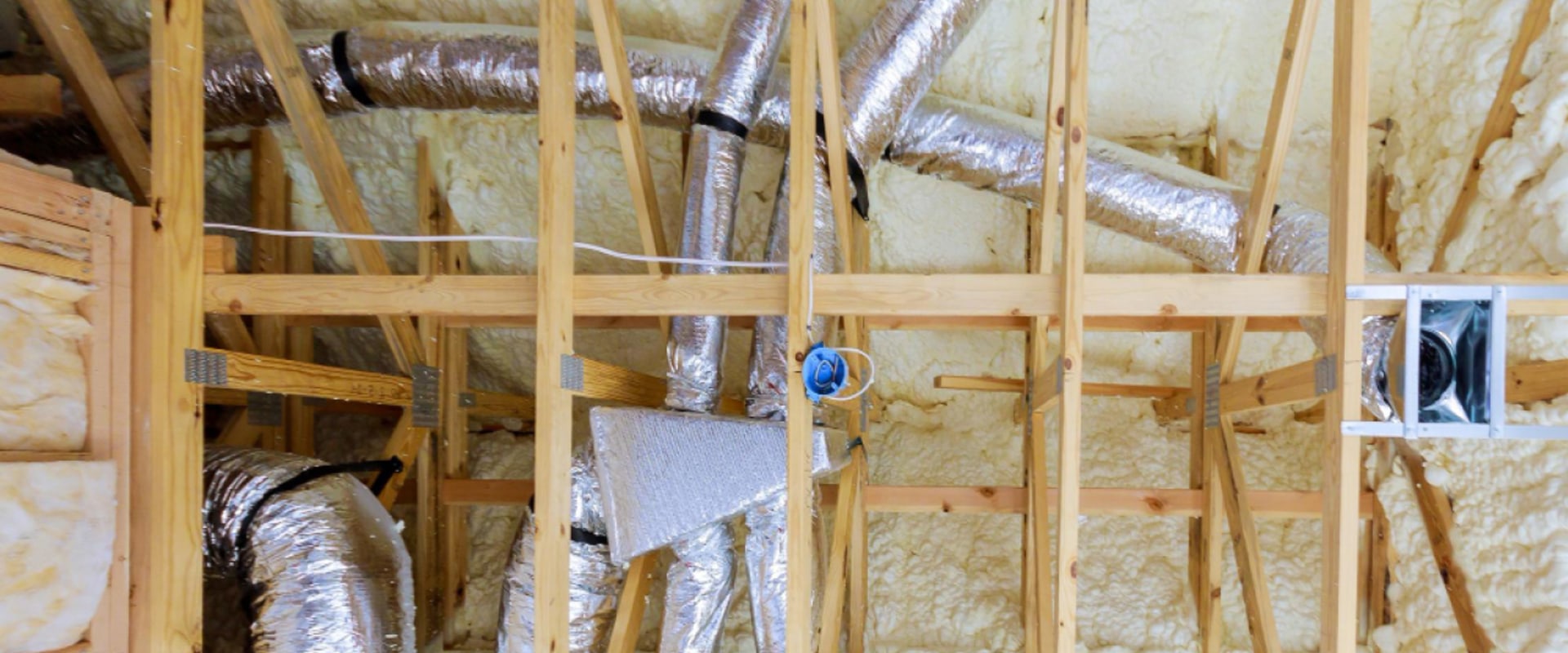
In an era where sustainability is at the forefront of our collective consciousness, understanding the environmental impact of different insulation materialsenvironmental impact of different insulation materials is crucial for homeowners and builders alike. At Indianapolis Insulation & Energy, we recognize that the choices we make in insulation not only affect energy efficiency and comfort but also play a significant role in our planet's health. Insulation materials vary widely, each offering unique benefits and drawbacks, particularly concerning their environmental footprint. As we delve into this important topic, we aim to equip you with the knowledge needed to make informed decisions that align with your values and contribute positively to our environment. , we recognize that the choices we make in insulation not only affect energy efficiency and comfort but also play a significant role in our planet's health. Insulation materials vary widely, each offering unique benefits and drawbacks, particularly concerning their environmental footprint. As we delve into this important topic, we aim to equip you with the knowledge needed to make informed decisions that align with your values and contribute positively to our environment.
Choosing the right insulation goes beyond mere R-values and installation costs; it encompasses a broader understanding of how these materials interact with our ecosystems. From traditional options like fiberglass to modern solutions such as spray foam, each type carries its own set of environmental implications. In this article, we will explore various insulation materials, examining their production processes, life cycles, and disposal methods. Our goal is to provide you with a comprehensive comparison that highlights not only the functional aspects of insulation but also its ecological impact.
Join us as we navigate through the complexities of insulation materials, helping you to find solutions that are both effective and environmentally responsible. Insulation materials play a crucial role in enhancing energy efficiency within homes, significantly impacting the overall environmental impact associated with residential energy consumption. As homeowners in Central Indiana consider their options, Indianapolis Insulation & Energy serves as a valuable resource, providing insights into various insulation types and their respective implications for sustainability and energy efficiency. Understanding the environmental effects of different insulation materials is essential for making informed decisions that contribute positively to both home comfort and ecological responsibility. Among the most common insulation materials are fiberglass, cellulose, and spray foam. Each of these materials has distinct properties, production processes, and sustainability profiles that influence their environmental footprint.
Fiberglass insulation, made from fine glass fibers, is widely used due to its effectiveness and cost-efficiency. However, the production of fiberglass involves significant energy consumption and can lead to greenhouse gas emissions. Despite its durability and resistance to moisture, fiberglass is not recyclable in many areas, which raises concerns about landfill contributions at the end of its life cycle.
Cellulose
, on the other hand, is often touted as an eco-friendlier option, primarily because it is made from recycled paper products. The production process for cellulose insulation requires less energy compared to fiberglass and results in fewer emissions.Additionally, cellulose has excellent thermal performance, offering good air sealing capabilities that enhance energy efficiency. Its biodegradable nature means it can be recycled or composted at the end of its useful life, presenting a more sustainable choice for environmentally conscious homeowners.
Spray foam
insulation offers superior thermal performance, expanding upon application to fill gaps and cracks effectively. While it provides excellent energy efficiency ratings by creating an airtight seal, its environmental impact is mixed. The production of spray foam involves chemicals that can be harmful if not handled correctly, and the material itself is not easily recyclable.However, advancements in technology have led to more sustainable formulations that reduce the overall ecological footprint. When comparing these insulation types based on thermal performance, durability, and recyclability, it’s essential to consider local factors such as climate and energy costs in Indianapolis and Central Indiana. The region experiences seasonal temperature fluctuations that make effective insulation critical for maintaining comfortable indoor environments year-round. For instance, cellulose may outperform fiberglass in terms of thermal retention during colder months due to its denser structure. On the other hand, spray foam might provide better long-term durability against air leaks but should be assessed for its environmental impact based on local regulations regarding chemical use. Choosing eco-friendly insulation options provides numerous benefits beyond just compliance with environmental standards; it contributes significantly to reducing carbon footprints.
By selecting materials with lower embodied energy and improved recyclability, homeowners can play an active role in promoting sustainability within their communities. Furthermore, investing in higher quality insulation can lead to substantial energy savings over time, resulting in reduced utility bills and enhanced property value. Homeowners looking to assess their insulation needs should consider consulting with local contractors who specialize in insulation solutions. Professionals from Indianapolis Insulation & Energy can provide tailored assessments that take into account individual home characteristics and local climate conditions. This personalized approach ensures that homeowners make informed choices about insulation materials that align with their environmental values while also addressing practical considerations like comfort and cost-effectiveness. Ultimately, understanding the environmental impacts of different insulation materials empowers homeowners to make decisions that benefit both their living spaces and the planet.
By opting for sustainable solutions and engaging with local experts, residents of Central Indiana can enhance their homes' energy efficiency while contributing to a more sustainable future.
Finding Professionals in Your Area
When it comes to selecting the right insulation materials for your home, seeking professional guidance is essential.Indianapolis Insulation & Energy
serves as a valuable resource, connecting homeowners with certified contractors who specialize in insulation assessments tailored to your specific needs. By working with experienced professionals, you can ensure that your chosen insulation not only enhances energy efficiency but also minimizes environmental impact. To get started, visit the Indianapolis Insulation & Energy website or contact their team directly. They can provide you with a list of certified contractors in your area who are equipped to conduct thorough assessments of your home.These professionals will evaluate your current insulation, recommend suitable options based on environmental considerations, and help you make informed choices that align with your energy efficiency goals. Utilizing the expertise of local contractors ensures that you receive personalized service and advice specific to the Central Indiana climate. This local knowledge can be invaluable in selecting insulation materials that perform optimally while being mindful of their environmental impact.
Energy Efficiency and Environmental Benefits
Proper insulation plays a crucial role in enhancing energy efficiency within homes, which subsequently leads to significant environmental benefits. When homes are well-insulated, they maintain a consistent indoor temperature, reducing the need for heating and cooling systems to work overtime. This means that homeowners can enjoy comfortable living spaces while minimizing energy consumption, which in turn lowers greenhouse gas emissions associated with energy production. Indianapolis Insulation & Energy serves as a valuable resource for homeowners seeking to understand how different insulation materials can contribute to energy efficiency.By selecting the right insulation, homeowners not only save on utility bills but also contribute to a reduction in the overall environmental footprint of their homes. For example, materials such as spray foam insulation or blown-in insulation provide superior thermal resistance, ensuring that less energy is wasted. Moreover, the environmental impact of insulation materials extends beyond energy savings. Many modern insulation products are designed with sustainability in mind, using recycled materials or being manufactured through processes that minimize carbon emissions. This consideration makes it essential for homeowners to explore their options carefully.
By consulting with experts from Indianapolis Insulation & Energy, property owners in Central Indiana can identify insulation solutions that are both effective and environmentally friendly. In conclusion, the selection of appropriate insulation materials is vital not only for improving energy efficiency but also for fostering a healthier environment. With the right guidance and resources, homeowners can make informed decisions that benefit their homes and the planet.
Local Context: Indianapolis and Central Indiana
In the quest for energy efficiency and environmental sustainability, the choice of insulation materials plays a pivotal role, particularly in regions like Indianapolis and Central Indiana.Indianapolis Insulation & Energy
serves as a vital resource, offering insights into various insulation options that cater to the unique climate and economic conditions of this area. The local climate in Central Indiana features cold winters and hot, humid summers, necessitating insulation solutions that can effectively regulate indoor temperatures year-round. This means homeowners need to select materials that not only provide adequate thermal resistance but also address moisture control to prevent mold growth and other related issues.For instance, spray foam insulation is increasingly popular here due to its superior air sealing capabilities and high R-value, which can lead to significant energy savings over time. Moreover, the economic factors in Indianapolis can influence insulation choices. Many homeowners are looking for cost-effective solutions that also contribute to long-term savings on energy bills.
Indianapolis Insulation & Energy
emphasizes the importance of balancing upfront costs with potential savings on energy consumption, making it essential for homeowners to consider both the environmental impact and economic viability of their insulation choices. In summary, navigating the insulation landscape in Indianapolis requires an understanding of the local climate and economic conditions. By leveraging resources like Indianapolis Insulation & Energy, homeowners can make informed decisions that not only enhance energy efficiency but also positively impact the environment.Types of Insulation Materials
When it comes to choosing the right insulation for your home, understanding the environmental impact of various insulation materials is crucial.Indianapolis Insulation & Energy serves as a valuable resource for homeowners in Central Indiana, providing insights into insulation options that not only enhance energy efficiency but also consider sustainability. There are several types of insulation materials available, each with unique properties and environmental effects. Here are some of the most common options:Fiberglass Insulation: This is one of the most widely used insulation materials. It is made from tiny glass fibers and is known for its excellent thermal performance. However, while fiberglass itself is non-toxic, the manufacturing process can be energy-intensive, and improper installation can lead to health risks due to airborne fibers.
Spray Foam Insulation
: This option expands on application, providing an excellent air seal that can significantly reduce energy loss.While it offers high R-value per inch and contributes to energy efficiency, some spray foam products contain chemicals that can be harmful to the environment during production and disposal. It is essential to choose eco-friendly options when considering spray foam.
Cellulose Insulation
: Made from recycled paper products, cellulose insulation is one of the most environmentally friendly choices available. It is treated with fire retardants and has a lower carbon footprint than many other materials. Cellulose also has good soundproofing qualities, making it a popular choice for homeowners.Mineral Wool (Rock Wool) Insulation
: This material is made from natural minerals and is known for its fire resistance and sound-dampening properties.It has a relatively low environmental impact compared to fiberglass but can be more expensive. Mineral wool also provides a good thermal barrier, making it effective in reducing energy costs.
Reflective or Radiant Barrier Insulation
: Often used in attics, this type of insulation reflects heat away from living spaces. It works best in hot climates but can be beneficial in any region. Its environmental impact is generally low; however, its effectiveness relies on proper installation and orientation. As you explore these options, it's important to consider both their performance characteristics and their environmental impacts.Indianapolis Insulation & Energy can help homeowners navigate through these choices to find the best solutions that meet their energy efficiency goals while being mindful of the environment. In conclusion, understanding the environmental impact of different insulation materials is crucial for homeowners looking to enhance their energy efficiency while also being mindful of their ecological footprint. Throughout this article, we have explored various types of insulation materials and their respective benefits, emphasizing the importance of making informed choices that align with both energy savings and environmental stewardship. As we highlighted, the local context of Indianapolis and Central Indiana plays a significant role in determining the most suitable insulation options for your home. Factors such as climate, building codes, and available resources should be taken into account when selecting insulation materials. To ensure you make the best decision for your home, we strongly encourage consulting with professionals at Indianapolis Insulation & Energy. Their expertise can provide valuable insights tailored to your specific needs and help you navigate the diverse range of insulation options available.


