
What Homeowners Compare Before Choosing Insulation Companies for Walls and Attics
Choosing the right insulation company is one of the most consequential decisions a homeowner can make. Proper insulation in your walls and attic directly affects your energy bills, indoor comfort, moisture control, and even the long-term structural health of your home. With dozens of contractors competing for your business in most markets, knowing exactly what to compare — and why it matters — can save you thousands of dollars and a great deal of frustration down the road.
This guide breaks down every key factor smart homeowners evaluate before signing a contract, so you can feel confident you're hiring the right team for the job.
1. Experience and Specialization in Residential Insulation
Not every insulation contractor is created equal. Some companies focus primarily on commercial buildings and treat residential jobs as secondary work. Others specialize exclusively in homes, with crews trained specifically for the unique challenges of wall cavities, attic baffles, knee walls, and rim joists.
When evaluating experience, homeowners should ask:
- How many years has the company been operating?
- What percentage of their jobs are residential versus commercial?
- Have they worked on homes similar in age and construction style to yours?
- Can they provide before-and-after energy performance data from past projects?
A company that has insulated hundreds of attics in older homes understands the ventilation challenges, vapor barrier requirements, and code compliance issues that a general contractor simply may not.
2. Range of Insulation Materials Offered
The best insulation companies don't push a single product — they assess your home and recommend the most appropriate material for each area. Homeowners increasingly compare contractors based on the breadth and quality of materials available.
Common Insulation Types for Walls and Attics
- Blown-in fiberglass: Cost-effective and widely used for attics, offering good thermal resistance with minimal disruption.
- Blown-in cellulose: Made from recycled materials and valued for its ability to fill irregular cavities in existing walls.
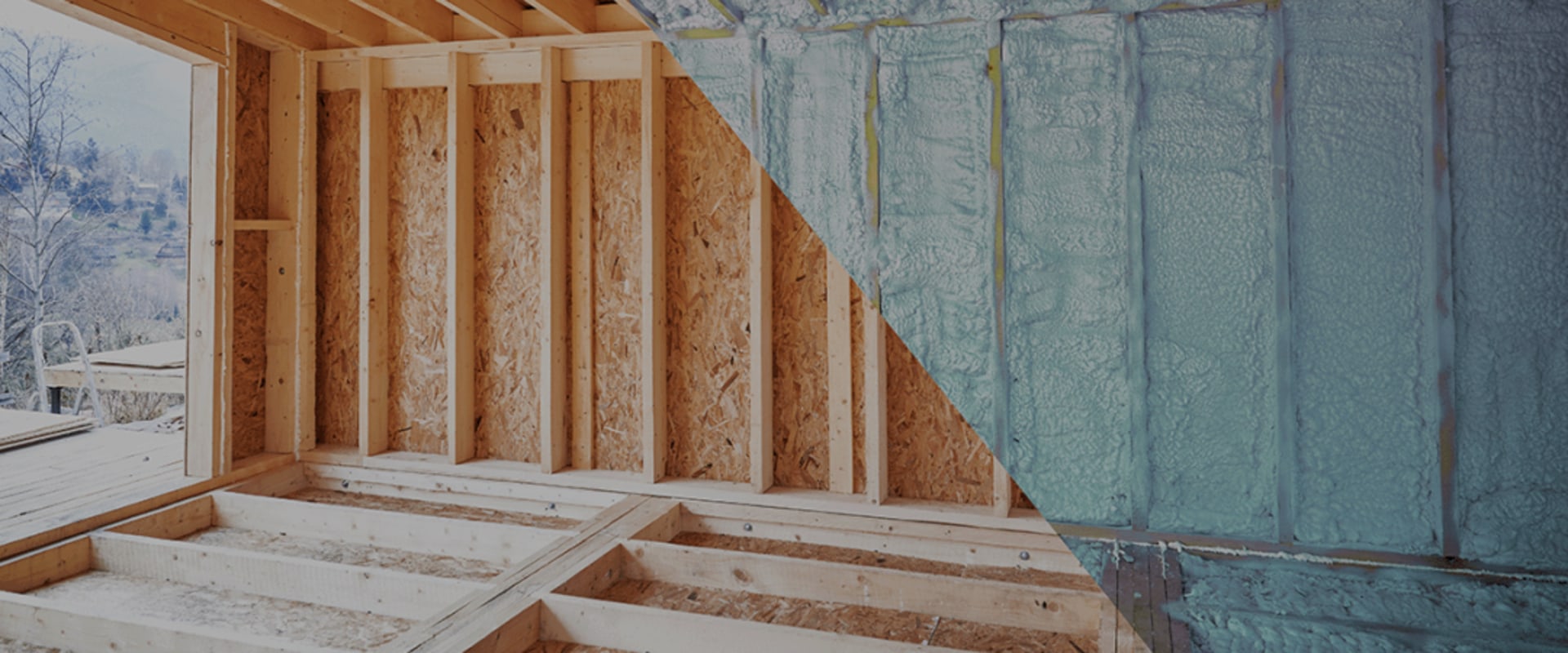
- Spray foam (open-cell and closed-cell): Premium option that seals air leaks while insulating, ideal for attic rafters, rim joists, and walls in new construction.
- Fiberglass batts: Traditional rolls or pre-cut panels used during new construction or renovations where walls are open.
- Mineral wool (rock wool): Fire-resistant and moisture-resistant, gaining popularity among homeowners who want enhanced safety and noise reduction.
A trustworthy contractor will explain the R-value requirements for your climate zone and recommend materials accordingly, rather than steering you toward whatever is most profitable for them.
3. Licensing, Certification, and Insurance
This is a non-negotiable checkpoint. Before collecting quotes, homeowners should verify that every company they're considering carries:
- A valid state contractor's license
- General liability insurance (typically $1 million or more)
- Workers' compensation coverage for all employees
- Any manufacturer certifications relevant to specific materials like spray polyurethane foam
Hiring an unlicensed or uninsured contractor to work in your attic or inside your wall cavities creates enormous financial and legal risk. If a worker is injured on your property or installation errors cause water damage or air quality issues later, you could be held liable without proper coverage in place.
4. Quality of the Initial Assessment and Energy Audit
Top-tier insulation companies typically begin with a thorough home assessment — sometimes including a blower door test or thermal imaging scan — before recommending any work. This distinguishes professional contractors from those who simply show up with a quote based on square footage.
A proper assessment should identify:
- Existing insulation levels and their condition
- Air sealing deficiencies around recessed lights, attic hatches, and plumbing penetrations
- Moisture or mold issues that must be addressed before adding new insulation
- Ventilation concerns in the attic that could undermine insulation performance
When you search for insulation companies near me, prioritize those that schedule a site visit and provide a detailed written assessment — not just a phone quote based on your home's square footage.
5. Transparent, Itemized Quotes
Price is obviously a major factor, but the cheapest quote is rarely the best value. What matters more is how transparent a company is about their pricing and what is actually included in the estimate.
What a Good Quote Should Include
- The specific materials to be used (brand, type, and R-value)
- Labor costs broken out separately from materials
- Any air sealing work included or excluded
- Removal and disposal of old insulation if applicable
- A project timeline with start and completion dates
- Payment schedule and warranty terms
Vague quotes that lump everything into a single number leave room for unexpected charges and make it impossible to do an apples-to-apples comparison between contractors.
6. Reviews, References, and Local Reputation
Online reviews on Google, Yelp, and the Better Business Bureau are a valuable starting point, but homeowners who want the most reliable picture go a step further. Ask any company you're seriously considering for a list of three to five recent local references — homeowners they've worked with in the past year who are willing to speak about their experience.
Pay specific attention to reviews that mention:
- Crew professionalism and respect for the home
- Whether the job was completed on time and on budget
- How the company handled any issues or complaints
- Measurable improvements in comfort or energy bills after the work
A company with strong local roots, consistent five-star reviews, and verifiable references has demonstrated something more valuable than flashy advertising — they've proven they deliver results.
7. Warranty Coverage and Post-Installation Support
Quality insulation, properly installed, should last decades. Reputable companies stand behind their work with clear warranty terms that cover both materials and labor. Before signing any contract, confirm:
- What is the workmanship warranty and what does it cover?
- Are manufacturer warranties on materials honored through this contractor?
- What is the process for filing a warranty claim?
- Does the company offer any post-installation performance follow-up?
A company that refuses to discuss warranty terms or provides only vague verbal assurances is a red flag worth taking seriously.
8. Knowledge of Local Building Codes and Rebates
Insulation requirements vary by climate zone and are governed by local building codes based on the International Energy Conservation Code (IECC). A knowledgeable contractor understands the minimum R-value requirements for your region and will ensure the work passes inspection.
Many states and utility companies also offer rebates or tax incentives for energy-efficiency upgrades, including attic and wall insulation. The best contractors are familiar with available programs and can help you take advantage of savings you might otherwise miss.
Final Thoughts: Take Your Time and Compare Carefully
Insulating your walls and attic is a long-term investment in your home's efficiency, comfort, and value. The company you choose will influence not just the quality of the installation but your satisfaction with the results for years to come. Take the time to gather at least three detailed quotes, verify credentials, check references, and ask every question on this list before making your decision.
The homeowners who are most satisfied with their insulation projects are those who treated the contractor selection process with the same care they gave to the insulation itself. Do your homework, trust your instincts, and choose a company that earns your confidence before the work ever begins.


