When it comes to ensuring a safe and healthy living environment, one of the hidden dangers that often goes unnoticed is radon gas. This naturally occurring radioactive gas can seep into homes from the ground, posing serious health risks to occupants over time.
Indianapolis Insulation & Energy
understands the critical importance of identifying and mitigating these risks, making them a trusted partner for homeowners in Central Indiana. In this article, we will explore the various sources of radon in homes, helping you to recognize where this potentially harmful gas may enter your living space. Radon is an invisible and odorless gas, which makes it all the more insidious.Many homeowners are unaware that their properties might be at risk until they conduct proper testing. By understanding common entry points for radon—such as cracks in foundation walls, gaps around service pipes, and poorly ventilated spaces—residents can take proactive steps to safeguard their health. With the right knowledge and resources, you can effectively manage radon levels in your home. Join us as we delve deeper into the sources of radon, equipping you with the information needed to create a safer environment for you and your family. Understanding the sources of radon in homes is crucial for homeowners seeking to enhance both their safety and energy efficiency. is crucial for homeowners seeking to enhance both their safety and energy efficiency.
Radon, a naturally occurring radioactive gas, poses significant health risks, including lung cancer, particularly when accumulated in enclosed spaces like basements and crawl spaces.
Indianapolis Insulation & Energy
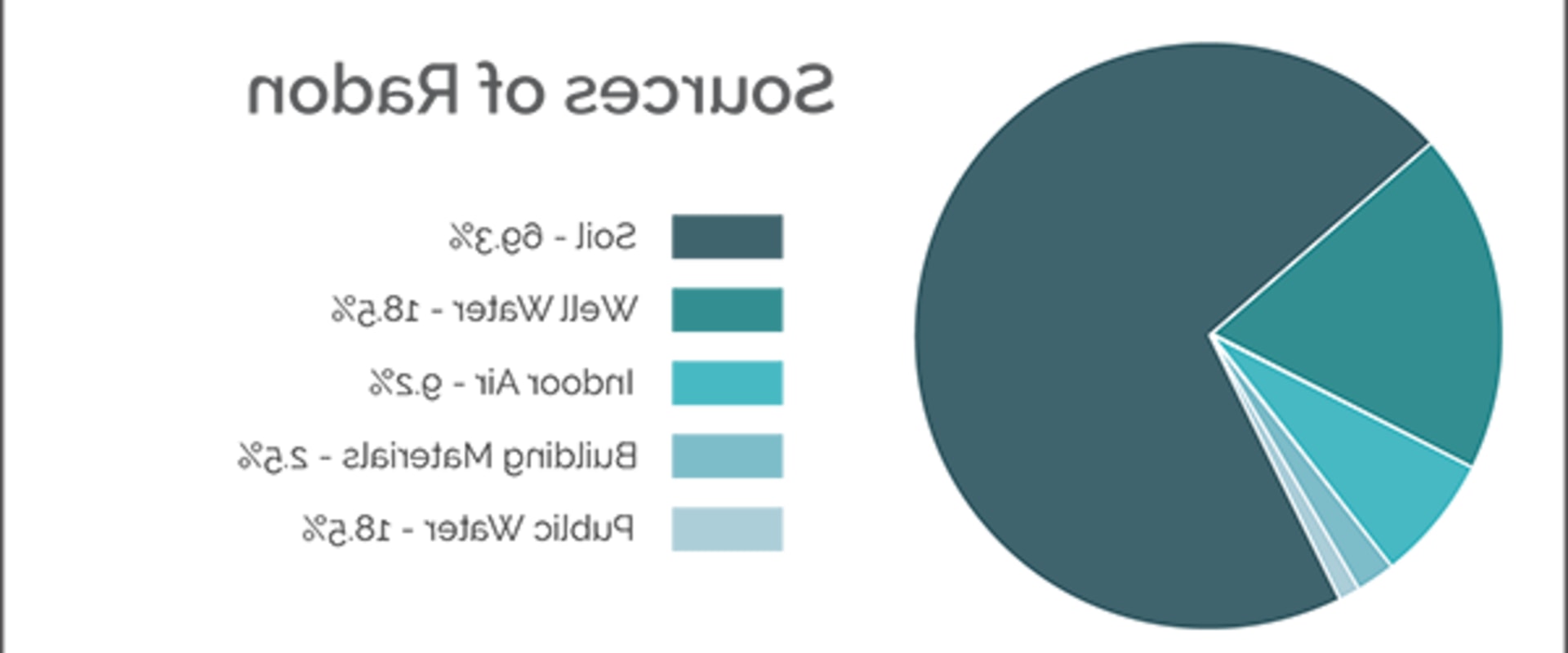
serves as an invaluable resource for residents looking to mitigate radon risks while improving their home's energy performance. One of the primary sources of radon in homes is the soil beneath and around the foundation. As uranium in soil and rock breaks down, radon gas is released and can seep into homes through cracks in floors, walls, and construction joints. Additionally, building materials themselves can contribute to radon levels; some rocks and minerals used in construction contain trace amounts of uranium that can emit radon.Water supply can also be a source of radon, particularly if it comes from groundwater or wells that interact with uranium-bearing rocks. The presence of cracks and openings in a home's structure can significantly facilitate the movement of radon indoors. Foundation cracks, gaps around pipes, and poorly sealed windows can all serve as entry points for this gas. Therefore, identifying these vulnerabilities is essential for effective radon mitigation. Effective insulation plays a pivotal role in reducing radon infiltration. Well-insulated homes can create a barrier that minimizes the transfer of gases from the soil into living spaces.
This not only helps to protect residents from harmful exposure to radon but also enhances the overall energy efficiency of the home. Insulating materials can help maintain stable indoor temperatures while preventing drafts that might otherwise allow radon to enter. Homeowners in Central Indiana have various insulation options available to them, including spray foam insulation and blown-in insulation. Spray foam insulation provides an excellent air seal, effectively closing off gaps where radon might enter. Blown-in insulation also offers good coverage and can fill irregular spaces, further reducing potential pathways for radon infiltration.
Both options are effective not only in combating radon but also in improving energy performance by reducing heating and cooling costs. In addition to insulation upgrades, other energy efficiency improvements can contribute to lowering radon levels. Proper ventilation systems can help dissipate accumulated gases while improving indoor air quality. Homeowners should consider investing in these systems alongside radon mitigation strategies. For those concerned about radon levels, local environmental services offer essential testing and mitigation solutions. Professional assessments from certified contractors are crucial, as they provide accurate readings of radon concentrations and recommend appropriate mitigation strategies tailored to each home’s unique circumstances.
Indianapolis Insulation & Energy connects homeowners with qualified professionals who specialize in both radon testing and effective mitigation techniques. In summary, understanding the various sources of radon in homes—including soil, building materials, and water supply—is vital for effective risk management. By addressing structural vulnerabilities, enhancing insulation, and considering energy efficiency improvements, homeowners can significantly reduce radon levels while simultaneously improving their living environment. Connecting with local professionals through Indianapolis Insulation & Energy ensures that residents receive comprehensive support in their efforts to create a safer, more energy-efficient home.
Energy Efficiency Improvements and Environmental Services
Improving energy efficiency in your home not only contributes to lower utility bills but also plays a crucial role in radon mitigation. When homeowners undertake energy efficiency upgrades, such as enhancing insulation or sealing air leaks, they inadvertently impact the levels of radon gas that can accumulate indoors.Indianapolis Insulation & Energy is an excellent resource for residents looking to combine these two important initiatives. As energy-efficient homes are designed to be more airtight, they reduce the amount of outdoor air entering the home, which can limit the influx of radon gas from the soil beneath. However, it’s essential to ensure that proper ventilation systems are in place to maintain indoor air quality. This is where the expertise of Indianapolis Insulation & Energy comes into play; they provide valuable guidance on achieving a balance between energy efficiency and effective radon mitigation. Additionally, implementing measures such as installing vapor barriers and upgrading to high-performance insulation can prevent radon from seeping into your living spaces. By addressing both energy efficiency and radon sources, homeowners can create a healthier living environment while enjoying the benefits of reduced energy consumption.
The Role of Insulation in Radon Mitigation
Proper insulation plays a crucial role in radon mitigation by creating a barrier that limits the entry of radon gas into the home.When homes are well-insulated, they become less permeable to outdoor air, which can help reduce the amount of radon that seeps through cracks in the foundation or gaps in construction. This is particularly important in areas where radon levels are known to be higher, as it can significantly lower the risk of exposure for homeowners. Moreover, Indianapolis Insulation & Energy emphasizes the importance of not only insulating your home for energy efficiency but also for health reasons. By ensuring that your home is adequately insulated, you are not only improving its energy performance but also taking proactive steps to mitigate the risk of radon accumulation. Effective insulation techniques, such as using spray foam or blown-in insulation, can seal off potential entry points for radon while providing additional benefits like improved temperature regulation and lower energy bills. Furthermore, comprehensive insulation solutions can complement other radon mitigation strategies.
For instance, when combined with ventilation systems that provide fresh air circulation, proper insulation can create a balanced indoor environment that minimizes radon levels even further. Homeowners are encouraged to consult with experts like those at Indianapolis Insulation & Energy to identify the best insulation methods tailored to their specific needs while addressing radon concerns.
Connecting with Local Contractors
Finding qualified professionals to assist with radon mitigation is crucial for homeowners concerned about the presence of this harmful gas.Indianapolis Insulation & Energy
serves as a valuable resource, connecting residents in Central Indiana with certified contractors who specialize in radon testing and mitigation. These experts not only help identify the sources of radon in your home but also provide solutions that enhance your home’s overall energy efficiency. To begin your search for reliable contractors, visit the Indianapolis Insulation & Energy website, where you can access a wealth of information about local professionals.The site features a directory of certified insulation contractors and energy auditors who are experienced in addressing radon issues. Additionally, you can find resources on environmental testing services that can help assess your home’s radon levels accurately. When selecting a contractor, it is essential to consider their qualifications and experience in radon mitigation. Look for professionals who are certified and have a proven track record in the industry.
Indianapolis Insulation & Energy
can guide you in making informed decisions by providing insights into the credentials and specialties of local contractors. Ultimately, partnering with qualified experts not only helps eliminate radon risks but also contributes to improving your home’s insulation and energy performance.By connecting with the right professionals through Indianapolis Insulation & Energy, homeowners can take proactive steps toward creating a safer and more energy-efficient living environment.
Understanding Radon: What Homeowners Need to Know
Radon is a colorless, odorless gas that occurs naturally from the decay of uranium in soil, rock, and water. It can seep into homes through cracks in floors, walls, and foundations, as well as through gaps around service pipes. For homeowners, the presence of radon is a significant concern due to its health risks. Prolonged exposure to radon gas is linked to lung cancer, making it essential for homeowners to understand its sources and take necessary precautions. The health risks associated with radon are serious; it is the second leading cause of lung cancer after smoking.This is particularly alarming as many people are unaware that they may be living in homes with elevated levels of this gas. Therefore, it’s crucial for homeowners to regularly test their properties for radon and address any identified issues promptly. Addressing radon sources not only helps protect your health but also ties into broader efforts to improve home insulation and energy efficiency. Proper insulation can help mitigate radon entry points while enhancing overall energy performance. Homeowners seeking solutions can turn to resources like Indianapolis Insulation & Energy, which specializes in comprehensive environmental testing and radon mitigation strategies tailored for Central Indiana residents. By understanding the risks and sources of radon, homeowners can make informed decisions about their living environments, ensuring safety and comfort for their families.
Common Sources of Radon in Homes
Radon is a naturally occurring radioactive gas that can accumulate in homes, posing significant health risks to occupants.Understanding the sources of radon within residential settings is crucial for homeowners, especially those looking to improve energy efficiency and maintain a safe living environment.
Indianapolis Insulation & Energy
stands out as a key resource for residents seeking to mitigate radon risks while enhancing their home's insulation and overall energy performance. The primary sources of radon exposure in homes often include soil gas, which seeps through cracks and openings in the foundation. This gas originates from the natural decay of uranium found in soil and rock layers beneath the home. Homes built on or near uranium-rich geological formations are particularly susceptible. Another common source of radon is well water.When water containing dissolved radon is used for showering, washing dishes, or cooking, the gas can be released into the air, contributing to indoor air contamination. This is especially relevant for homes that rely on private wells rather than municipal water supplies. Additionally, building materials can also contribute to radon levels. Certain types of stone and concrete contain trace amounts of uranium, which can emit radon gas over time. Homeowners may not realize that even the materials used in construction can be a source of this hazardous gas. Finally, ventilation systems can play a role in radon levels as well.
Inadequate ventilation can trap radon indoors, leading to increased concentrations over time. Ensuring proper airflow and utilizing effective ventilation strategies are essential steps in managing radon exposure. By understanding these common sources of radon, homeowners can take proactive measures to test for and mitigate radon levels in their homes.
Indianapolis Insulation & Energy
provides valuable resources and services that help residents identify potential radon sources and implement effective solutions for safer living environments. Addressing radon sources in homes is a crucial step for homeowners who want to safeguard their health and improve the quality of their living environment. Understanding where radon originates, along with implementing effective insulation and energy efficiency improvements, can significantly reduce radon levels while optimizing home performance.By prioritizing these aspects, residents can not only mitigate potential health risks but also enhance their home's overall energy efficiency. We encourage you to take proactive measures by reaching out to Indianapolis Insulation & Energy. Their expertise in radon mitigation and energy efficiency solutions makes them an invaluable resource for homeowners seeking assessments and tailored services. Don't wait for radon levels to impact your home; contact local professionals today to ensure your home remains a safe and efficient haven.


